

The global coal market is shaped by mine-level production concentration, rail and port logistics dependencies, and supply chains that transmit individual mine shutdowns and operational status changes into immediate seaborne price movements across power generation and steelmaking markets.
GIO Tracker delivers structured mine-level intelligence on coal production capacity and operational status across open-cut and underground mines in all major producing regions. The platform tracks whether each asset is operating, temporarily shut down, suspended, retired, or mothballed, alongside nameplate capacity and operator ownership.
From individual mine closures to broader regional production withdrawals, every data point is captured at the asset level and updated continuously, providing clear visibility into where coal capacity is active, idled, or permanently removed from the market. Access the operational intelligence needed to understand how mine closures, suspensions, and restarts reshape global coal supply.
Global coal production exceeds 8,500 MTPA, underpinning approximately 36% of global electricity generation and serving as the primary feedstock for integrated blast-furnace steelmaking through metallurgical coal.
Thermal coal supply is dominated by Indonesia (~35% of seaborne trade) and Australia (~25%), alongside major production from Russia, South Africa, and Colombia. Metallurgical coal production is structurally concentrated in Australia’s Bowen Basin, which supplies roughly 55% of globally traded premium hard coking coal.
Because production is concentrated in a limited number of large mining operations, changes in mine operational status can quickly alter seaborne supply balances. When a large underground mine transitions from operating to suspended or enters extended care-and-maintenance, the removal of even 8–10 Mt of annual capacity can influence regional supply availability.
Similarly, the retirement or mothballing of large open-cut mines gradually reduces the available supply base over time, tightening long-term market capacity even if short-term production statistics appear stable.
Understanding which mines are operating, idled, or permanently retired therefore provides essential visibility into structural shifts in global coal supply capacity.
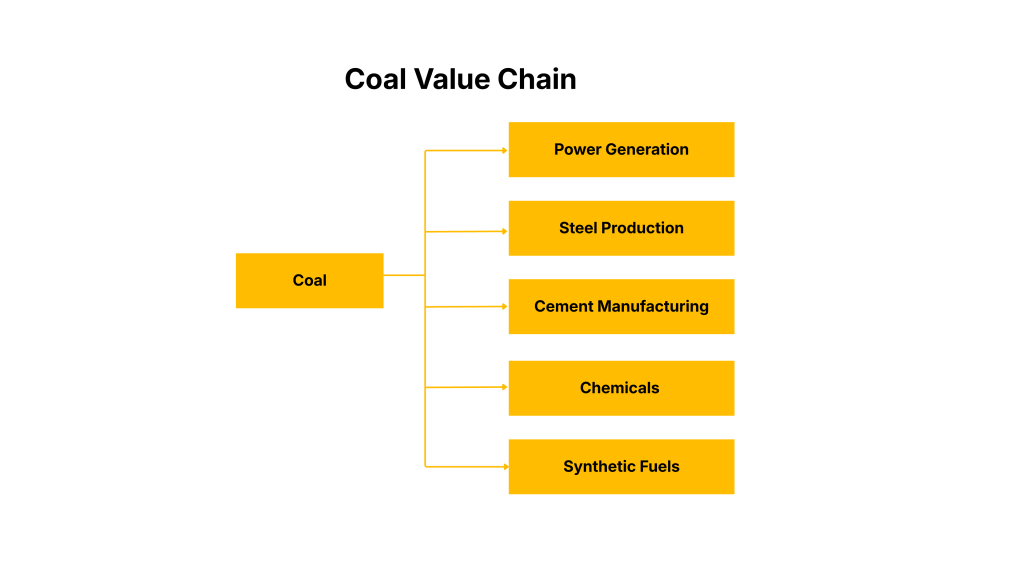
Coal supply is highly concentrated at the mine level, and changes in operational status can significantly influence global supply availability.
When a major mine in Australia’s Bowen Basin suspends production or enters care-and-maintenance, the removal of metallurgical coal capacity can tighten seaborne supply. Likewise, when large Indonesian open-cut mines pause operations or enter temporary shutdown, thermal coal availability to Asian power markets may decline.
GIO Tracker provides early visibility into these structural shifts by monitoring mine operating status across the global coal industry, identifying where capacity is active, idled, or permanently withdrawn from the market.
Put GIO Tracker to work across your portfolio to identify where mine closures, suspensions, or retirements are removing supply capacity, quantify how much capacity is affected, and understand how these changes reshape regional supply balances and downstream procurement risk.
Global Overview
GIO Tracker monitors coal supply at the individual mine level, capturing mine capacity, operator ownership, geographic location, and operational status across all major producing regions.
Each mine is classified based on its current operating condition, including:
Tracking these operational status categories allows users to identify where coal capacity is currently active, temporarily offline, or permanently removed from production.
Each mine’s status is evaluated against its nameplate capacity, allowing users to understand how much global coal capacity is operating versus idled.
The Global Coal GIO Tracker delivers structured mine-level operational intelligence across all major producing regions, built on historical tracking since 2015. The platform maintains an evolving database of coal mines and their operational status, enabling users to identify capacity withdrawals, mine restarts, and structural supply changes shaping the global coal market.
Tracks 200+ coal mines across the region, including major open-cut and underground operations in Australia, Indonesia, China, and India. Monitors mine operational status across the region, identifying which mines are currently producing, temporarily shut down, or permanently retired.
Provides integrated visibility across major thermal and metallurgical coal mines in the United States and Canada, identifying which operations remain active and which have transitioned into closure, suspension, or retirement.
Tracks 40+ coal and lignite mining operations across Europe, where production capacity continues to decline due to mine closures and energy transition policies. The tracker identifies which operations remain active and which have entered retirement or permanent closure.
Covers coal mining operations across Southern Africa and emerging regional producers, tracking which mines are actively producing and which have entered care-and-maintenance or closure.
Covers 25+ coal mines across key production regions, identifying operating mines alongside those entering suspension or closure across the region’s coal industry.
Asia Pacific
Europe
North America
South America
Middle East & Africa
Australia
Bangladesh
Bhutan
China
India
Indonesia
Kazakhstan
Kyrgyzstan
Laos
Malaysia
Mongolia
Myanmar
New Zealand
North Korea
Pakistan
Philippines
Tajikistan
Thailand
Uzbekistan
Vietnam
Bosnia and Herzegovina
Greece
Montenegro
North Macedonia
Poland
Romania
Russia
Serbia
Turkey
UK
Ukraine
Canada
USA
Brazil
Colombia
Venezuela
Botswana
Eswatini
Madagascar
Malawi
Mozambique
Nigeria
South Africa
Tanzania
Zambia
Zimbabwe
Asia Pacific
Europe
North America
South America
Middle East & Africa
Australia
Bangladesh
Bhutan
China
India
Indonesia
Kazakhstan
Kyrgyzstan
Laos
Malaysia
Mongolia
Myanmar
New Zealand
North Korea
Pakistan
Philippines
Tajikistan
Thailand
Uzbekistan
Vietnam
Bosnia and Herzegovina
Greece
Montenegro
North Macedonia
Poland
Romania
Russia
Serbia
Turkey
UK
Ukraine
Canada
USA
South Africa
Brazil
Colombia
Venezuela
Botswana
Eswatini
Madagascar
Malawi
Mozambique
Nigeria
South Africa
Tanzania
Zambia
Zimbabwe