Palm Oil (cpo) Price Trend and Forecast

UNSPC code: 50151513
|
Weekly Update
|
Historical Data Since 2015
|
Forecast for 2026

palm oil (cpo) Price Trends by Country

cnChina
usUnited States
inIndia
aeUnited Arab Emirates
jpJapan
myMalaysia

Global palm oil (cpo) Spot Market Prices, Trend Analysis and Forecast

𝐏𝐫𝐢𝐜𝐞 𝐖𝐚𝐭𝐜𝐡™ provides price assessments for Palm oil across top trading regions:

Asia-Pacific

  • Crude Palm Oil FOB Port Kelang, Malaysia
  • Crude Palm Oil FOB Jakarta, Indonesia
  • Crude Palm Oil CIF Shanghai (Malaysia), China
  • Crude Palm Oil CIF Tokyo (Malaysia), Japan
  • Crude Palm Oil CIF Nhava Sheva (Malaysia), India


North America

  • Crude Palm Oil CIF Houston (Malaysia), USA


Middle East

  • Crude Palm Oil CIF Sharjah (Malaysia), United Arab Emirates


Note:
In assessments structured as CIF [Importing Port] (Exporting Country), the country mentioned in brackets indicates the primary origin of supply (exporting country), while the named port refers to the destination port in the importing country. Other Incoterms (FOB, FD, EXW, etc.) should be interpreted in accordance with standard international trade definitions.

Palm Oil Price Trend Q4 2025

In Q4 2025, global Crude Palm Oil markets exhibited mixed performance with most regions showing 0-2% changes or moderate growth, driven by steady FOB baselines in Malaysia’s Port Kelang and Indonesia’s Jakarta amid reliable production.

Import destinations reflected divergent pressures: slight softening in USA CIF Houston from freight relief and biofuel stability, strengthening in China CIF Shanghai via food sector recovery, steady advances in Japan CIF Tokyo through confectionery demand, firmness in UAE CIF Sharjah despite re-export dynamics, and sharper gains in India CIF Nhava Sheva fueled by festive stockpiling.

Malaysian and Indonesian supply consistency, logistics improvements, competing vegetable oils, and end-user resilience across biofuels, food processing, and industrial uses foster cautious optimism for Q1 2026 pricing trajectories.

Malaysia: Palm Oil Export prices FOB Port Kelang, Malaysia, Grade- Crude Palm Oil

In Q4 2025, Palm Oil prices in Malaysia ranged between USD 967-1050 per metric ton with a 2.73% quarterly increase. Palm Oil price trend in Malaysia reflected steady growth driven by consistent domestic production from major plantations and robust export demand targeting food processing and biofuel applications across Asia.

Palm Oil price in Q4 2025 supported balanced supply through efficient Port Kelang milling operations, despite occasional global Crude Oil price volatility affecting input costs. In December 2025, Palm oil prices in Malaysia declined by -0.61% reflecting seasonal inventory adjustments.

Refineries maintained high throughput levels, bolstering resilience against upstream weather-related feedstock challenges. Improved regional shipping logistics reduced minor delays effectively. Biodiesel policy expansions promise continued pricing firmness into Q1 2026.

Indonesia: Palm Oil Export prices FOB Jakarta, Indonesia, Grade- Crude Palm Oil

According to Price-Watch™, in Q4 2025, Palm Oil prices in Indonesia showed a downward price trend. The Crude Palm Oil FOB Jakarta price range narrowed to 1065-1085 USD, reflecting a 1.67% decrease from Q3, primarily due to abundant harvest yields from Indonesia’s peak production season in Sumatra and Kalimantan, which flooded export markets and eased prior tightness.

Normalized output post-monsoon offset steady global refining demand. The Palm Oil price trend in Indonesia highlights seasonal oversupply dynamics.

In December 2025, Palm Oil prices in Indonesia increased by 0.93%, supported by year-end export momentum to China and India, tighter vessel availability, and speculative positioning ahead of 2026 El Niño risks, delivering a modest quarterly rebound.

​USA: Palm Oil Import prices CIF Houston from Malaysia, USA, Grade- Crude Palm Oil

In Q4 2025, Palm Oil prices in the USA ranged between USD 1085-1170 per metric ton amid a -0.93% quarter-on-quarter dip. Palm Oil price trend in the USA experienced softening from sharp freight decreases on CIF Houston shipments from Malaysia, counterbalanced by reliable biofuel and industrial sector imports.

Palm Oil price in Q4 2025 benefited from normalized Houston port handling after seasonal disruptions, with renewable fuel mandates providing essential demand stability.

In December 2025, palm oil prices in the USA rose by 0.91% supported by steady refinery uptake. Importers optimized schedules to match capacities along Gulf Coast facilities. Domestic blending requirements anchored market floors effectively.

​​China: Palm Oil Import prices CIF Shanghai from Malaysia, China, Grade- Crude Palm Oil

In Q4 2025, Palm Oil prices in China ranged between USD 984-1070 per metric ton showing 2.91% appreciation. Palm Oil price trend in China gained traction from recovering demand in expansive food manufacturing alongside oleochemical production for personal care goods.

Palm Oil price in Q4 2025 incorporated slight freight upticks to Shanghai, reinforcing firmness as consumers shifted from costlier soybean alternatives amid festive stockpiling. In December 2025, Palm oil prices in China fell by -0.82% amid month-end position squaring.

Import pipelines from Malaysia delivered steadily against long-term agreements. Coastal refineries scaled operations seamlessly to handle inflows. Trade facilitation measures minimized border frictions ahead.

​​​Japan: Palm Oil Import prices CIF Tokyo from Malaysia, Japan, Grade- Crude Palm Oil

In Q4 2025, Palm Oil prices in Japan ranged between USD 1015-1100 per metric ton registering 2.71% growth. Palm Oil price trend in Japan held steady via sustained procurement for confectionery, margarine, and processed foods by leading manufacturers.

Palm Oil price in Q4 2025 absorbed slight CIF Tokyo freight rises from Malaysia, preserving upward bias through dependable supply chains to Yokohama terminals. In December 2025, Palm oil prices in Japan eased by -0.87% reflecting profit-taking after quarterly gains.

Seasonal demand peaks prompted measured inventory builds by trading houses. Strict non-GMO and RSPO certifications directed to premium purchases. Supply security priorities endure amid global uncertainties.

​United Arab Emirates: Palm Oil Import prices CIF Sharjah from Malaysia, UAE, Grade- Crude Palm Oil

In Q4 2025, Palm Oil prices in the UAE ranged between USD 1055-1135 per metric ton with a 0.91% quarterly rise. Palm Oil price trend in the UAE balanced re-export hub dynamics and expanding local food-industrial needs in Dubai-Sharjah corridors.

Palm Oil price in Q4 2025 eased through sharp freight reductions from Malaysia, sustaining buyer interest across hospitality and manufacturing outlets. In December 2025, Palm oil prices in UAE dipped by -0.23% alongside freight normalization.

GCC distribution channels flowed unimpeded to secondary markets. Multi-source strategies from Southeast Asia diversified risks adeptly. Regional consumption uptrends linked to tourism signal positive influences.

​​​India: Palm Oil Import prices CIF Nhava Sheva from Malaysia, India, Grade- Crude Palm Oil

In Q4 2025, Palm Oil prices in India ranged between USD 1040-1125 per metric ton surging 5.95% quarter-over-quarter. Palm Oil price trend in India accelerated on explosive edible oil intake fueled by Diwali festivities and wedding-season bulk buying nationwide.

Palm Oil price in Q4 2025 integrated sharp Nhava Sheva freight hikes from Malaysia, intensifying landed premiums atop chronic import reliance exceeding 9 million tons annually.

In December 2025, Palm oil prices in India climbed by 0.79% extending festive momentum. Kandla-Mumbai refineries processed peaks efficiently against rivals. Stable customs duties foster trader confidence. Origin supply discipline amplified tightness ahead.

Palm Oil (CPO) Price Trend Analysis: Q4 2025

During Q3 2025, the international Palm Oil market witnessed sustained price rises of 5-8% in major regions, indicating a balance between supply constraints and robust demand. In producing nations such as Malaysia, seasonal declines in production and export policy changes tightened supplies, sustaining firm prices.

Major import market destinations like the USA, China, Japan, United Arab Emirates, and India each experienced significant palm oil price trend increases fueled by factors like Biofuel demand, import competition, and pre-holiday stockpiling buying. Shipping costs tended to be steadily or modestly higher in most areas, contributing to moderate upward pressure.

Despite some supply issues and economic volatility, overall demand was firm, particularly for Food and Biodiesel applications. This tentative increase in price indicates a market adapting to changing production circumstances and ongoing international consumption, with projections for ongoing modest increases in the next quarter.

Malaysia: Palm Oil Export prices FOB Port Kelang, Malaysia, Grade Crude Palm Oil (CPO).

In Q3 2025, Palm Oil prices in Malaysia registered a 5.73% increase over the prior quarter. Crude Palm Oil (CPO) prices averaged between USD 950-1065 per metric ton. The uptick on the palm oil price trend in Malaysia was prompted by seasonally declining production and firmer export demand, which cut local supplies. Export policy changes further cut back volumes, underpinning firm prices.

Domestic weather interruptions in key plantation belts further clipped near-term supplies. Furthermore, the decline in the value of the Malaysian ringgit further increased the appeal of Palm Oil to international consumers, driving export demand higher.

In September 2025, prices rose by 0.87%, with buying interest expected to stay muted in the near term. Despite some geopolitical tariff issues, Malaysia’s industry concentrated on market diversification and sustainable production to remain competitive.

USA: Palm Oil Import prices CIF Houston, Malaysia, Grade Crude Palm Oil (CPO).

According to PriceWatch, in Q3 2025, Palm Oil prices in the USA recorded a steep growth of 6.09% from the last quarter. Prices of Crude Palm Oil (CPO) Prices floated around USD 1130-1195 per metric ton. Freight charges increased notably, adding upward pressure to the overall palm oil price trend in the USA. It was then fueled by robust Biofuel demand and constricting global vegetable oil supplies. Competitive importers bidding for short Malaysian cargoes supported firmer prices.

Sellers adopted conservative price policies under tight supply conditions. In September 2025, prices rose sharply by 1.78%, with market sentiment remaining cautious in the near term. The USA continued to be one of the largest importers of Palm Oil from Malaysia, supporting its position in international price trends. Optimism in the market was balanced by uncertainties regarding geopolitical trade policy and domestic economic considerations.

China: Palm Oil Import prices CIF Shanghai, Malaysia, Grade Crude Palm Oil (CPO).

According to PriceWatch, in Q3 2025, Palm Oil price trend in China rose by 5.74% quarter-on-quarter. Malaysian Crude Palm Oil (CPO) prices were between USD 973-1080 per metric ton. Small freight charge hikes and logistic tightening contributed to positive price trend in China. The upward price was boosted by firm Malaysian export volumes, even as local demand softened. Malaysian supply restrictions imposed a strong market tone, while tentative buying contained sharper price increases.

In September 2025, prices rose by 1.09%, with overall market sentiment likely to remain guarded in the near term. China remained an important regional market, balancing the needs of demand with supply constraints. Policy initiatives and future fiscal stimulus packages were seen to be supporting demand in the months ahead.

Japan: Palm Oil Import prices CIF Tokyo, Malaysia, Grade Crude Palm Oil (CPO).

In Q3 2025, Palm Oil price trend in Japan recorded a solid 6.19% increase from the previous quarter. The prices offered for Crude Palm Oil (CPO) were between USD 1005-1110 per metric ton. Firm Malaysian benchmark prices and stable freight rates underpinned this rise. Export volumes were restricted, though firm importer demand ensured strong positive price trend in Japan. In September 2025, prices increased by 0.95%, with pricing stability expected to remain fragile soon.

Japan’s increasing demand for sustainably produced Palm Oil introduced complexity into price dynamics. In spite of positive price movement, market players observed that price stability was still weak on account of uncertainties in the global economy and volatile trade patterns. This guarded optimism characterized the Japanese market mood in the quarter.

United Arab Emirates: Palm Oil Import prices CIF Sharjah, Malaysia, Grade Crude Palm Oil (CPO).

In Q3 2025, Palm Oil price trend in the United Arab Emirates increased moderately by 5.99%. Crude Palm Oil (CPO) prices were between USD 1060-1170 per metric ton. Freight charges stabilized, and cautious seller actions checked against more aggressive price trends in the UAE. The growth was underpinned by well-balanced supply and demand fundamentals. In September 2025, prices declined slightly by 0.76%, with buying interest likely to remain limited in the near term.

The UAE remained dependent on Malaysian Palm Oil imports, which maintained steady trade volumes. But the modest price adjustment relative to the previous quarter indicated a cautious buying attitude. Market players were observing global supply dynamics and regional demand shifts underpinning price directions in the Gulf closely.

India: Palm Oil Import prices CIF Nhava Sheva, Malaysia, Grade Crude Palm Oil (CPO).

In Q3 2025, Palm Oil price trend in India witnessed the quarterly rise of 8.50%. Crude Palm Oil (CPO) prices were in the range of USD 991-1120 per metric ton. Increased freight rates contributed to the upward pressure on the palm oil price trend in India. The steep upsurge was led by the Malaysian supply being tight and Palm Oil becoming more expensive vis-a-vis alternative oils due to firm global demand.

Government policies reducing import duties added to the heightened import volumes in spite of the tight supply. In September 2025, prices rose by 1.27%, with market conditions expected to remain firm soon. India’s festive season requirements and Biofuel blending obligations also fortified the bullish price climate. Purchasers struggled to procure adequate quantities, maintaining high prices throughout the quarter.

In Q2 2025, crude palm oil (CPO) prices continued their corrective trend, averaging lower as the market adjusted from Q1 highs. Elevated Malaysian palm stocks kept a lid on gains, even as production forecasts were revised downward due to dry weather impacts. While biodiesel demand in the EU showed signs of recovery, Indian imports remained subdued amid high inventories, further limiting price strength.

Seasonal production concerns offered late-quarter support, with prices rebounding modestly in July, suggesting the establishment of a new trading band. Overall, mixed fundamentals created a cautious sentiment as the market balanced tightening supply expectations with weak regional buying. CPO prices averaged USD 939/MT FOB Port Kelang in Q2 2025.

In Q2 2025, crude palm oil prices softened as the market corrected from earlier highs. Volatility persisted amid competing forces tightening Malaysian stocks and strong Indian festive demand supported sentiment, while increased Indonesian exports and weaker soybean oil prices exerted downward pressure. Biofuel policy shifts in Southeast Asia further added to uncertainty, creating short-lived price swings.

Despite mid-quarter weakness, the market stabilized toward July, suggesting a potential floor as supply tightened ahead of the peak production season. By late June, renewed buying interest hinted at recovering demand momentum, although sentiment remained fragile. According to PriceWatch, CPO prices averaged around USD 1,040/MT CIF Nhava Sheva in Q2 2025.

In Q1 2025, CPO prices declined sharply as weak demand failed to sustain Q4 momentum. Chinese buying remained softer than anticipated, while Indian imports slowed amid ample inventories. The correction accelerated in March when prices hit a three-month low, reflecting reduced confidence in consumption growth.

However, downside risks were partially offset by emerging production concerns in Malaysia and Indonesia as dry conditions began impacting yields. The quarter highlighted the ongoing tug-of-war between bearish demand signals and tightening supply projections, with volatility persisting within a narrow band. According to PriceWatch, CPO prices averaged USD 1,077/MT FOB Port Kelang in Q1 2025.

Crude palm oil prices fell sharply in Q1 2025 as profit-taking and improved Malaysian production outlooks ended Q4’s rally. While Indian buyers opportunistically rebuilt inventories at lower levels, Indonesia’s fluctuating export policies created brief regional dislocations. The quarter highlighted palm oil’s growing sensitivity to renewable diesel mandates and broader energy price movements.

Despite mid-quarter weakness, technical support emerged from tightening Southeast Asian yields, limiting deeper corrections. Market participants closely monitored Chinese buying patterns, which remained subdued. Overall, Q1 underscored a delicate balance between easing supply concerns and moderate demand. According to PriceWatch, CPO prices averaged approximately USD 1,161/MT CIF Nhava Sheva in Q1 2025.

Palm Oil (CPO) Price Trend Analysis: Q4 2024

Q4 2024 witnessed a sharp rebound in CPO prices as supply tightened, and demand strengthened. Malaysian palm stocks declined amid robust biodiesel blending mandates and heavy pre-holiday stockpiling in key importing nations. The rally peaked in mid-December before mild profit-taking emerged, but prices remained elevated relative to competing vegetable oils, enabling palm oil to regain market share in price-sensitive destinations.

Concerns over demand sustainability surfaced late in the quarter, yet tight fundamentals kept the market supported. This period marked the strongest quarterly performance since 2022, reinforcing palm oil’s competitiveness. According to PriceWatch, CPO prices averaged USD 1,124/MT FOB Port Kelang in Q4 2024.

Q4 2024 saw an exceptional rally in crude palm oil as supply fears overwhelmed the market. Severe Malaysian production shortfalls, Indonesia’s domestic market obligation policy, and panic buying by Indian refiners ahead of the festive season pushed prices past key psychological levels. The surge was amplified by speculative activity, creating extreme weekly swings before profit-taking emerged late in December.

The quarter reflected a “perfect storm” of tight supply and policy-driven volatility, cementing palm oil’s premium over competing vegetable oils. Market fundamentals remained fragile despite the late pullback. CPO prices averaged nearly USD 1,268/MT CIF Nhava Sheva in Q4 2024.

In Q3 2024, CPO prices recovered steadily from mid-year lows on the back of tightening supply and stronger pre-festive demand. El Niño-induced dry weather reduced yield expectations in Malaysia and Indonesia, while export activity to India and the Middle East surged ahead of seasonal festivals. EU biodiesel mandates added further buying momentum. Prices peaked in late September, reflecting tightening physical availability.

However, market participants remained cautious about demand elasticity above key resistance levels, signalling limited scope for further gains. The quarter emphasized supply risks as the primary price driver amid still-fragile demand. According to PriceWatch, CPO prices averaged USD 932/MT FOB Port Kelang in Q3 2024.

In Q3 2024, crude palm oil prices rose steadily as El Niño-induced dry weather reduced yield expectations in Malaysia and Indonesia. Inventory levels in Malaysia dropped to multi-year lows, reinforcing bullish sentiment. Indian import demand stayed resilient despite escalating prices, supported by favourable import duty structures.

The quarter also marked a key structural shift, with palm oil transitioning into a premium-priced vegetable oil rather than maintaining its traditional discount to soft oils like soybean oil. Physical availability tightened as seasonal demand accelerated ahead of key festivals. CPO prices averaged around USD 996/MT CIF Nhava Sheva in Q3 2024.

Q2 2024 marked a modest recovery in CPO prices following Q1’s slump, driven by seasonal production factors and improving export demand. Indian and Chinese buying picked up marginally, supporting steady price gains through June. However, high inventory levels in Malaysia and abundant soybean oil supplies continued to restrict the pace of recovery.

Concerns about potential yield impacts from earlier dry spells began surfacing, but the market struggled to break out of its established trading range. Overall, the quarter highlighted palm oil’s continued sensitivity to competitive vegetable oil dynamics and export demand fluctuations. According to PriceWatch, CPO prices averaged USD 857/MT FOB Port Kelang in Q2 2024.

Indian refiners faced negative processing margins at the quarter’s peak, reflecting the pressure of elevated feedstock costs on downstream operations. Q2 2024 extended the palm oil rally as Malaysian production lagged seasonal expectations while Indonesian export restrictions curbed global availability.

The market saw two distinct phases: a brief May correction on profit-taking, followed by a June surge as monsoon-related supply concerns intensified. Despite higher prices, demand from key Asian buyers persisted, underlining palm oil’s critical role in regional edible oil supply chains. CPO prices averaged about USD 974/MT CIF Nhava Sheva in Q2 2024.

2024 opened with CPO prices moving within a narrow range, reflecting balanced fundamentals and a lack of strong directional cues. Indian and Chinese demand remained subdued, while high global vegetable oil inventories exerted pressure on sentiment. Nonetheless, production concerns in Malaysia and firm crude oil prices offered limited support.

The quarter demonstrated a market searching for clear catalysts, oscillating between bearish demand trends and potential tightening of supply. This stability foreshadowed the more volatile moves that would unfold later in the year as weather and policy developments shaped fundamentals. According to PriceWatch, CPO prices averaged USD 828/MT FOB Port Kelang in Q1 2024.

The Palm oil market opened 2024 with firm prices as post-harvest production lows supported early-year sentiment. Volatility was driven by uncertainty around Indonesia’s export policy, with prices oscillating in response to shifting government announcements. Indian imports remained surprisingly resilient despite elevated costs, though high port stocks occasionally created logistical bottlenecks.

This period established a new pricing floor above USD 850/MT, setting the stage for the historic rally seen later in the year. It also reflected palm oil’s increasing linkage with energy and biofuel price dynamics. CPO prices averaged close to USD 884/MT CIF Nhava Sheva in Q1 2024.

Technical Specifications of Palm Oil (cpo) Price Trends

Product Description

Palm oil is a multi-purpose and extensively used vegetable oil extracted from the fruit of the palm oil tree (Elaeis guineensis), and it serves a vital function in the world’s food, personal care, industry, and energy markets. It is renowned for having a semi-solid appearance at ambient temperature, bland flavor, and excellent oxidative stability. Depending on its purification level and application, the Palm oil is treated to different grades. One of its main grades is Crude Palm Oil (CPO), the Crude Oil drawn from the fleshy Palm fruit mesocarp.

The reddish-orange color of CPO is caused by the presence of high beta-carotene, and it contains free fatty acids, water, and impurities. It is the raw material for making Refined, Bleached, and Deodorized (RBD) Palm Oil, which in turn is fractionated into RBD Palm Olein (utilized for cooking oils) and RBD Palm Stearin (utilized in baking fats, Soaps, and industry). Due to Palm Oil’s relatively high hectare yield, extensive distribution, and varied uses, it is one of the economically important vegetable oils globally.

Identifiers and Classification:

  • CAS No: 8002-75-3
  • HS Code: 15111000 (or regionally under 1511 series for crude Palm Oil products)
  • Molecular Formula: Mainly composed of triglycerides of palmitic, oleic, linoleic, and stearic acids (C₅₅H₁₀₀O₆ typical)
  • Molecular Weight [g/mol]: 850–890 g/mol (approximate for common triglyceride mixtures)


Synonym:

  • Unrefined Palm Oil
  • Raw Palm Oil
  • CPO


Palm Oil Grades Specific Price Assessment:

  • Crude Palm Oil


Palm Oil Global Trade and Shipment Terms

  • Quotation Terms (Product & Country Specific): 24-26 MT
  • Packaging Type (Product & Country Specific): ISO Tank


Incoterms Referenced in Palm Oil Price Reporting

Shipping Term  Location  Definition 
FOB Port Kelang  Port Kelang, Malaysia  CPO Export price from Malaysia 
CIF Nhava Sheva (Malaysia)  Nhava Sheva, India  CPO Import price in India from Malaysia 
CIF Shanghai (Malaysia)  Shanghai, China  CPO Import price in China from Malaysia 
CIF Tokyo (Malaysia)  Tokyo, Japan  CPO Import price in Japan from Malaysia 
CIF Houston (Malaysia)  Houston, USA  CPO Import price in USA from Malaysia 
CIF Sharjah (Malaysia)  Sharjah, UAE  CPO Import price in UAE from Malaysia 

*Quotation Terms refers to the quantity range specified for the CPO being quoted or offered in a commercial transaction.

**Packaging Type refers to standard packaging size commonly used for CPO packing, ease of handling, transportation, and storage in industrial and commercial applications.


Key Crude Palm Oil (CPO) Manufacturers

Manufacturer 
FGV Holdings Berhad (Felda Global Ventures) 
IOI Corporation Berhad 
Kuala Lumpur Kepong Berhad (KLK) 
TSH Resources Berhad 
Kulim (Malaysia) Berhad 
United Plantations Berhad 
TH Plantations Berhad 

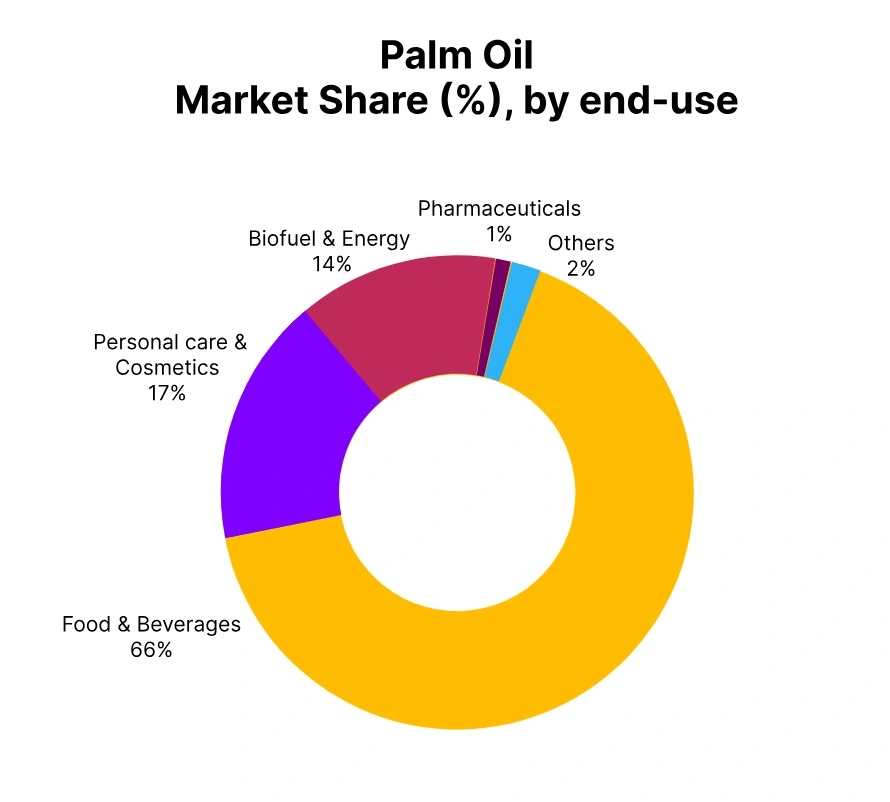
Palm Oil (cpo) Industrial Applications

Palm-oil-market-share-end-user

Historically, several events have caused significant fluctuations in Palm Oil (cpo) prices

  • Climate and Farming Impact – (2024) 

Unpredictable weather patterns—including prolonged dry periods in Indonesia and excessive rains in Malaysia—negatively affected palm fruit yields and oil extraction rates. This coincided with rising global demand for edible oils and stronger biodiesel mandates in producing nations. Meanwhile, increasing enforcement of sustainability certifications and deforestation-free supply chain regulations in the EU and North America introduced new compliance costs, tightening export margins and further influencing price dynamics.

  • Feedstock & Logistic Disruptions – (2023) 

Southeast Asia faced heavy rainfall and flooding, which hindered harvesting activities and transportation. Logistics challenges such as freight rate spikes, container shortages, and port delays intensified the disruption. Export restrictions and fluctuating stock levels in key destinations led to intermittent supply gaps and contributed to volatile price behaviour in the international Palm oil market.

  • Russia-Ukraine War – (2022) 

The war significantly disrupted the global sunflower and canola oil supply chains, prompting a global shift toward alternative oils like palm oil. As one of the most accessible and affordable options, Palm oil experienced a sharp rise in demand, especially in the food processing and refining sectors. Simultaneously, rising fertilizer, energy, and freight costs inflated upstream production expenses, driving Palm oil prices to multi-year highs.

  • Post-COVID Demand Recovery – (2021) 

As global economies began to reopen, demand for crude palm oil rebounded, particularly in India, China, and Africa, where palm oil is a staple in edible oil consumption. However, the production recovery lagged due to persistent labour shortages and pandemic-era restrictions, leading to tight supplies and escalating prices. Increased interest in biodiesel blending mandates in Southeast Asia also added upward pressure on Palm oil prices.

  • The COVID-19 Pandemic – (2020) 

Global lockdowns severely disrupted the palm oil supply chain, from plantation labour availability to milling and export operations. In major producing countries like Indonesia and Malaysia, labour shortages, transport restrictions, and port closures caused harvest backlogs and lower processing volumes. Simultaneously, reduced demand from food service, hospitality, and biofuel sectors led to rising inventories and significant price volatility in the global vegetable oil market.

Why Price Watch™?

Price Watch™ is your trusted resource for tracking global palm oil (cpo) price trends. Our platform delivers real-time data and expert analysis, offering deep insights into the key factors driving price fluctuations in the palm oil (cpo) market. By monitoring critical events such as geopolitical tensions, supply chain disruptions, and economic shifts, Price Watch™ keeps you fully informed of market dynamics.

In addition, Price Watch™ provides detailed forecasts and updates on production capacities, enabling you to anticipate market changes and make well-informed decisions. With Price Watch™, you gain a competitive edge in understanding all the elements that influence palm oil (cpo) prices worldwide. Stay ahead of the curve with Price Watch’s™ reliable, accurate, and timely palm oil (cpo) market data.

Track Price Watch's™ palm oil (cpo) price assessment on a weekly basis since 2015 onwards, along with short-term forecasts, and get access to the detailed report in a downloadable format.

Palm Oil (cpo) Market Price Trend published by 𝐏𝐫𝐢𝐜𝐞 𝐖𝐚𝐭𝐜𝐡™ reflect prevailing spot market conditions, derived from independent research, verified trade inputs, and proprietary market intelligence as of the publication date. Prices are published on the specified Incoterm and represent indicative base market levels, exclusive of applicable taxes, VAT, duties, tariffs, and other statutory charges. Actual transaction values may vary depending on volume, credit terms, contractual structure, and other negotiated conditions. Market prices are inherently subject to volatility, liquidity dynamics, regulatory changes, and evolving trade activity. The information provided is for reference and benchmarking purposes only and does not constitute an offer, recommendation, or guarantee of transactional outcomes. Users should exercise independent commercial judgment and assess their specific contractual, regulatory, tax, and application requirements before making business decisions. 𝐏𝐫𝐢𝐜𝐞 𝐖𝐚𝐭𝐜𝐡™ assumes no liability for decisions taken based on this information.

The pricing of palm oil is influenced by several key factors, including global demand and supply dynamics, production costs, and weather conditions. Fluctuations in crude oil prices also play a role, as palm oil is often used as a biofuel. Additionally, trade policies, tariffs, and the economic situation in major producing countries like Indonesia and Malaysia can significantly impact palm oil prices. Understanding these factors is essential for procurement heads to make informed purchasing decisions.

Procurement heads can forecast palm oil price trends by analyzing historical price data, monitoring global supply and demand, and considering external market influences such as currency fluctuations and geopolitical events. Engaging with industry reports, subscribing to market analysis services, and leveraging insights from agricultural experts can also aid in creating accurate forecasts. This proactive approach allows for better planning and budgeting in procurement strategies.

Sustainability certifications, such as RSPO (Roundtable on Sustainable Palm Oil), can affect palm oil pricing. Certified sustainable palm oil may command a premium price due to the growing demand for environmentally friendly products. For procurement heads, understanding the implications of these certifications is crucial, as they align with corporate sustainability goals and consumer preferences. While the initial costs may be higher, sourcing certified palm oil can enhance brand reputation and open new market opportunities.

Palm Oil is a widely used vegetable oil derived from the fruit of oil palm trees and is a critical feedstock for food, energy, and industrial applications worldwide. It is used extensively in cooking oils, packaged foods, biodiesel, soaps, cosmetics, and oleochemicals. The price of palm oil directly influences the cost of renewable fuels and a broad range of everyday products, including transportation fuels, detergents, candles, personal care items, and industrial lubricants, making palm oil a key driver of global supply chains and sustainability discussions within the circular economy. 𝐏𝐫𝐢𝐜𝐞 𝐖𝐚𝐭𝐜𝐡™ tracks these prices to help businesses and consumers understand and stay updated with the market trends.

Palm Oil prices vary by region. Prices are typically quoted per metric ton and change based on supply, demand, and energy costs. 𝐏𝐫𝐢𝐜𝐞 𝐖𝐚𝐭𝐜𝐡™ provides real-time price assessments across different global markets to help buyers and sellers make informed decisions.

Palm Oil prices fluctuate due to changes in global supply and demand, driven by plantation yields, weather conditions, and harvesting cycles, as well as crude oil and energy price movements that influence biofuel economics. Logistics and transportation costs, export policies, and currency movements in major producing countries also play a significant role. Demand from the food, oleochemical, and biodiesel sectors strongly affects pricing, while regulatory measures such as biofuel blending mandates, export levies, sustainability certification requirements, and deforestation regulations further shape market dynamics. Seasonal production patterns, labor availability, geopolitical and supply-chain disruptions, competition with other vegetable oils, and broader macroeconomic conditions add volatility, with recent outlooks pointing to structurally supported demand amid energy transition policies and evolving sustainability standards.

The largest buyers of Palm Oil are food manufacturers and consumer goods companies, followed by oleochemical producers making soaps and detergents. Additional demand comes from biodiesel and renewable diesel producers, industrial users, lubricant and grease manufacturers, and specialty chemical producers, with trading companies and exporters also purchasing large volumes for shipment to major global food and biofuel markets. 𝐏𝐫𝐢𝐜𝐞 𝐖𝐚𝐭𝐜𝐡™ analyses demand patterns across all these industries.

Palm Oil is produced through agricultural and milling processes rather than chemical manufacturing. It is extracted from the fruit of oil palm trees cultivated on plantations, then processed in palm oil mills where it is sterilized, pressed, clarified, and refined before being supplied to food manufacturers, biodiesel producers, and oleochemical companies.

Palm Oil trade is driven by production scale, export policies, and access to global food, biofuel, and oleochemical markets. Indonesia is the world’s largest exporter of Palm Oil, followed by Malaysia, while countries such as Thailand, Colombia, and Guatemala also play important roles in international trade. Major importing and trading hubs include China, India, the UAE, Japan, and Singapore, which serve as key consumption, refining, and transshipment centres. Export volumes fluctuate based on plantation yields, weather conditions, sustainability and deforestation regulations, domestic biodiesel mandates, and broader global demand and trade policy dynamics. 𝐏𝐫𝐢𝐜𝐞 𝐖𝐚𝐭𝐜𝐡™ tracks production levels, export flows and trade patterns to help businesses understand global supply chains and identify sourcing opportunities.

Supply generally matches demand, but regional shortages can occur due to plant shutdowns, transportation problems, or sudden spikes in industrial activity. 𝐏𝐫𝐢𝐜𝐞 𝐖𝐚𝐭𝐜𝐡™ monitors these supply-demand imbalances to alert the market about potential shortages or surpluses.

Palm Oil prices vary by grade, with crude palm oil (CPO) generally trading at lower prices and refined Palm Oil commanding a premium. Refined Palm Oil attracts higher prices due to its wider industrial and food applications, better processing performance, and compliance with quality and sustainability standards, while crude or lower-quality Palm Oil trades at a discount because it requires additional refining and has more limited end uses. 𝐏𝐫𝐢𝐜𝐞 𝐖𝐚𝐭𝐜𝐡™ provides separate price assessments for each grade to ensure market transparency.

When Palm Oil demand rises sharply, often due to increased food consumption, oleochemical production, or biodiesel mandates, prices typically increase. Suppliers may prioritize long-term or certified buyers, while others face tighter availability, longer lead times, or higher premiums to secure refined or sustainably certified palm oil supplies. 𝐏𝐫𝐢𝐜𝐞 𝐖𝐚𝐭𝐜𝐡™ captures these market dynamics in real-time.

Processing and logistics are among the largest cost components for Palm Oil. When fuel prices, transportation costs, or labour expenses rise, producers and traders often pass these costs on to buyers, driving up Palm Oil prices. This is why prices in regions with lower energy or transport costs tend to be more competitive, a correlation that 𝐏𝐫𝐢𝐜𝐞 𝐖𝐚𝐭𝐜𝐡™ analyses in its price assessments & market reports.

Palm oil prices vary by region based on production volumes, transportation costs, regulatory requirements, and local demand for food, oleochemicals, and biofuels. Regions with limited supply, higher logistics expenses, or stricter sustainability and certification standards typically see higher prices due to the added costs of compliance and distribution. 𝐏𝐫𝐢𝐜𝐞 𝐖𝐚𝐭𝐜𝐡™ tracks prices across all major regions to highlight these differences.

The Palm Oil market outlook depends on factors such as growth in food, oleochemical, and biodiesel demand, biofuel and trade policies, plantation yields and harvesting cycles, logistics and transportation costs, and sustainability and regulatory compliance requirements. 𝐏𝐫𝐢𝐜𝐞 𝐖𝐚𝐭𝐜𝐡™ regularly publishes detailed forecasts that project price movements for the next 12 months based on comprehensive analysis of supply additions, demand growth in key industries, seasonal patterns, and macroeconomic indicators. Our forecasts help businesses anticipate market conditions and plan accordingly.

Absolutely. Accurate forecasting allows you to time your purchases better, negotiate contracts more effectively, and budget more accurately. If 𝐏𝐫𝐢𝐜𝐞 𝐖𝐚𝐭𝐜𝐡™ forecasts predict a price increase in three months, you might choose to stock up now or lock in long-term contracts at current rates, potentially saving thousands of dollars.

Events like natural disasters, trade disputes, plantation fires, or economic downturns can disrupt production or shipping routes, causing supply shortages and price spikes. The COVID-19 pandemic, India’s 2021 anti-dumping duties on Palm Oil, and major flooding in Southeast Asia, for instance, created significant market volatility. 𝐏𝐫𝐢𝐜𝐞 𝐖𝐚𝐭𝐜𝐡™ provides timely alerts when such events affect the market.

𝐏𝐫𝐢𝐜𝐞 𝐖𝐚𝐭𝐜𝐡™ collects data from manufacturers, distributors, and buyers worldwide to publish regular price assessments, market reports, and forecasts. Our transparent methodology and comprehensive coverage make us a trusted source for understanding fair pricing and market trends in the Palm Oil industry.