Price-Watch™ provides real-time price assessments and price forecasts for Polyvinyl Acetate resin across top trading regions:
| Polyvinyl Acetate Resin Regional Coverage | Polyvinyl Acetate Resin Grade and Country Coverage | Polyvinyl Acetate Resin Pricing Data Coverage Explanation |
|
Asia Pacific Polyvinyl Acetate Resin Pricing Analysis
|
Plasticised PVAC Emulsion (60% solid, viscosity-4000mPas) CIF Prices at Nhava Sheva, India, Importing from Germany | Weekly Price Update on Polyvinyl Acetate Resins Real-Time Import Prices at Nhava Sheva, India from Germany |
| Plasticised PVAC Emulsion (50% solid, viscosity-9000 to 15000mPas) FOB prices at Jakarta, Indonesia | Weekly Price Update on Polyvinyl Acetate Resins Real-Time Export Prices from Jakarta, Indonesia to Global Markets | |
| Plasticised PVAC Emulsion (50% solid, viscosity-9000 to 15000mPas) CIF Prices at Nhava Sheva, India, Importing from Indonesia | Weekly Price Update on Polyvinyl Acetate Resins Real-Time Import Prices at Nhava Sheva, India from Indonesia | |
| Plasticised PVAC Emulsion (50% solid, viscosity-9000 to 15000mPas) CIF Prices at Chittagong, Bangladesh, Importing from Indonesia | Weekly Price Update on Polyvinyl Acetate Resin Real-Time Import Prices at Chittagong, Bangladesh from Indonesia | |
| Plasticised PVAC Emulsion (50% solid, viscosity-9000 to 15000mPas) CIF Prices at Haiphong, Vietnam, Importing from Indonesia | Weekly Price Update on Polyvinyl Acetate Resin Real-Time Import Prices at Haiphong, Vietnam from Indonesia | |
| Europe Polyvinyl Acetate Resin Pricing Analysis | Plasticised PVAC Emulsion (60% solid, viscosity-4000mPas) FOB Prices at Hamburg, Germany | Weekly Price Update on Polyvinyl Acetate Resin Real-Time Export Prices from Hamburg, Germany to Global Markets |
| Plasticised PVAC Emulsion (60% solid, viscosity-4000mPas) FD Prices at Le Havre, France | Weekly Price Update on Polyvinyl Acetate Resin Real-Time Export Prices from Le Havre, France to France Markets | |
| Plasticised PVAC Emulsion (60% solid, viscosity-4000mPas) FD Prices at Rotterdam, Netherlands | Weekly Price Update on Polyvinyl Acetate Resin Real-Time Export Prices from Rotterdam, Netherlands to Dutch Markets |
Polyvinyl Acetate resin Price Forecasts & Market Foresight Q3 2026
Outlook: Mildly Bearish to Strongly Bearish
Confidence: High
Polyvinyl Acetate (PVA) resin prices across Europe will be expected to follow a bearish trend during Q3, with values projected to decline steadily amid subdued market conditions. Feedstock ethylene costs will likely decrease, reducing production expenses and exerting additional downward pressure on resin prices.
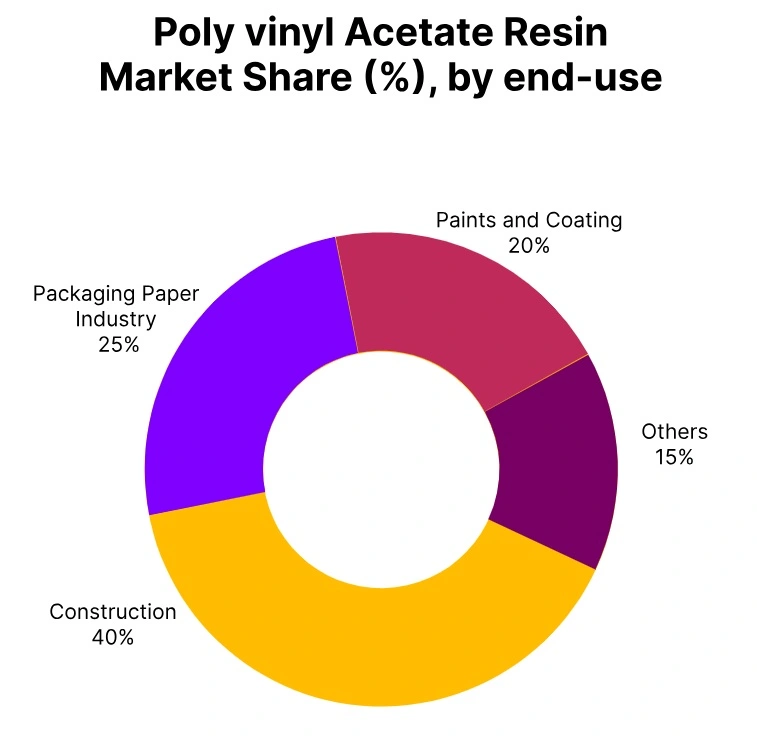
Weak purchasing activity from the construction and paints and coatings sectors will continue to limit consumption, while adequate product availability will maintain competitive market conditions.
Similarly, the Asia market will also be expected to witness declining PVA resin prices, supported by lower Vinyl Acetate Monomer costs, soft regional demand, sufficient inventories, and cautious procurement strategies throughout the quarter.
Global Polyvinyl Acetate Resin Market Overview by Region (July–September 2026)
| Country | Grade/ Incoterm | Outlook |
| Germany | Plasticised PVAc Emulsion (60% solid, viscosity-4000mPas) FOB Hamburg | Mildly Bearish to Bearish |
| India | Plasticised PVAc Emulsion (60% solid, viscosity-4000mPas) CIF Nhava Sheva (GERMANY) | Stable to Bearish |
| France | Plasticised PVAc Emulsion (60% solid, viscosity-4000mPas) FD Le Havre | Mildly Bearish to Bearish |
| Netherlands | Plasticised PVAc Emulsion (60% solid, viscosity-4000mPas) FD Rotterdam | Mildly Bearish to Bearish |
| Indonesia | Plasticised PVAc Emulsion (50% solid, viscosity-9000 to 15000mPas) FOB Jakarta | Bearish to Strongly Bearish |
| India | Plasticised PVAc Emulsion (50% solid, viscosity-9000 to 15000mPas) CIF Nhava Sheva (INDONESIA) | Mildly Bearish to Bearish |
| Bangladesh | Plasticised PVAc Emulsion (50% solid, viscosity-9000 to 15000mPas) CIF Chittagong (INDONESIA) | Bearish to Strongly Bearish |
| Vietnam | Plasticised PVAc Emulsion (50% solid, viscosity-9000 to 15000mPas) CIF Haiphong (INDONESIA) | Bearish to Strongly Bearish |
*Polyvinyl Acetate resin Forecast represents an analytical assessment based on information available at the time of publication. Actual market prices may vary due to unforeseen operational, regulatory, geopolitical, or economic developments.
Explore the Complete Price Watch™ Polyvinyl Acetate resin Forecast
Access comprehensive Polyvinyl Acetate resin market intelligence, including a 3-Month Rolling Forecast, 12-Month Price Forecast, forward price curves, country-wise market outlooks, procurement insights, and monthly forecast updates.
Explore Price Watch™ Polyvinyl Acetate resin Forecasts
What’s Included
The 3-Month Forecast (Updated Monthly)
It reflects changes in Ethylene and Vinyl Acetate resin feedstock costs, energy prices, producer operating rates, plant outages, inventory levels, trade flows, freight rates, regional demand, and geopolitical developments affecting the global polyvinyl Acetate resin market.
The 12-Month Forecast (Published Annually)
It provides a strategic outlook based on expected capacity additions, supply-demand balances, feedstock economics, macroeconomic conditions, industrial production trends, trade policies, seasonal demand patterns, and long-term supply chain developments, supporting procurement, budgeting, and strategic planning.
Our Proprietary Hybrid Forecasting Model Evaluates:
- Feedstock & production economics
- Plant operating rates & outages
- Inventory and supply-demand balance
- Regional trade flows & freight
- Import-export dynamics
- Macroeconomic & geopolitical developments
Track Polyvinyl Acetate resin Supply Disruptions in Real Time
As geopolitical risks continue to reshape global supply chains, stay ahead of the events that drive price movements by monitoring plant shutdowns, maintenance turnarounds, force majeure events, logistics bottlenecks, trade restrictions, and operational disruptions before they impact Polyvinyl Acetate resin markets.
Access the Price Watch™ GIO Tracker
Poly vinyl Acetate Resin (PVAC) Price Trend Q2 2026
In Q2 2026, the global Polyvinyl Acetate resin market has experienced a strong upward price trend, supported by resilient demand from the construction, packaging, paper, and paints and coatings industries, along with higher feedstock costs, elevated freight rates, and tightening supply conditions.
Geopolitical tensions arising from the Israel–US–Iran conflict and concerns over the potential closure of the Strait of Hormuz have increased logistics risks and disrupted global trade flows, raising import and replacement costs across major markets.
Germany, France, and the Netherlands have recorded steady price gains, while stronger increases have been observed across Indonesia, Vietnam, Bangladesh, and India due to robust regional demand and constrained availability.
The PVAC Resin Price Chart has reflected consistent quarterly and monthly increases across key markets, while the Polyvinyl Acetate Resin Price Index has indicated broad-based global price strength driven by sustained procurement activity, supply-side challenges, and continued market uncertainty.
Germany: Poly vinyl Acetate Resin Export Prices FOB, Hamburg Germany; Grade- Plasticised PVAC Emulsion (60% solid, viscosity-4000mPas)
In Q2 2026, Polyvinyl Acetate resin price in Germany has increased significantly compared to the previous quarter, supported by stronger procurement activity from the construction, packaging, paper, and paints and coatings industries, along with higher import costs and supply-side constraints.
Compared to the previous quarter, prices have risen by 10.83%. The Polyvinyl Acetate resin price trend in Germany has remained firmly upward as geopolitical tensions arising from the Israel–US–Iran conflict, concerns over the potential closure of the Strait of Hormuz, and elevated freight and feedstock uncertainties have tightened global supply conditions.
In June 2026, Polyvinyl Acetate resin prices in Germany have increased by 2% compared to the previous month, reflecting sustained demand, limited availability, and continued logistical disruptions across international trade routes.
France: Poly vinyl Acetate Resin Import Prices FD Le Havre France; Grade- Plasticised PVAC Emulsion (60% solid, viscosity-4000mPas)
In Q2 2026, Polyvinyl Acetate resin price in France has increased by 11% compared to the previous quarter, supported by steady imports from Germany and improved procurement activity across the construction, packaging paper industry, and paints and coatings sectors.
Polyvinyl Acetate resin price trend in France has remained firm as supply has been influenced by geopolitical tensions arising from the Israel–US–Iran conflict, along with concerns over the potential closure of the Strait of Hormuz, which have heightened freight uncertainties and raw material cost pressures.
In June 2026, Polyvinyl Acetate resin price in France has increased by 2% compared to the previous month, reflecting sustained buying interest and cautious inventory replenishment.
Netherlands: Poly vinyl Acetate Resin Import Prices FD Rotterdam Netherland; Grade- Plasticised PVAC Emulsion (60% solid, viscosity-4000mPas)
In Q2 2026, Polyvinyl Acetate resin price in Netherlands has increased by 11% compared to the previous quarter, driven by stable import volumes from Germany and consistent demand from the construction, packaging paper industry, and paints and coatings sectors.
Polyvinyl Acetate resin price trend in Netherlands has strengthened as geopolitical tensions linked to the Israel–US–Iran conflict and concerns regarding the possible closure of the Strait of Hormuz have increased logistics risks and supported higher market sentiment.
In June 2026, Polyvinyl Acetate resin price in Netherlands has increased by 2% compared to the previous month, as market participants have continued replenishing inventories amid ongoing supply chain uncertainties and resilient downstream consumption.
Indonesia: Poly vinyl Acetate Resin Export Prices FOB Jakarta Indonesia; Grade- Plasticised PVAC Emulsion (50% solid, viscosity-9000 to 15000mPas)
In Q2 2026, Polyvinyl Acetate resin price in Indonesia has recorded a sharp increase compared to the previous quarter, driven by robust export demand, stronger consumption from the construction, packaging, paper, and paints and coatings industries, and tighter regional supply conditions.
The Polyvinyl Acetate resin price trend in Indonesia has strengthened as geopolitical tensions linked to the Israel–US–Iran conflict, uncertainty surrounding the potential closure of the Strait of Hormuz, and higher freight and feedstock costs have disrupted global trade flows and influenced export sentiment.
Compared to the previous quarter, prices have increased by 19.61%. In June 2026, Polyvinyl Acetate resin prices in Indonesia have risen by 9.38% compared to the previous month, supported by continued export momentum, constrained availability, and persistent global supply chain uncertainties.
Vietnam: Poly vinyl Acetate Resin Import Prices CIF Haiphong Vietnam; Grade- Plasticised PVAC Emulsion (50% solid, viscosity-9000 to 15000mPas)
In Q2 2026, Polyvinyl Acetate resin price in Vietnam has strengthened as higher import costs from Indonesia, healthy consumption from the construction, packaging paper industry, and paints and coatings sectors, and tightening regional supply conditions have supported the market.
Polyvinyl Acetate resin price trend in Vietnam has remained bullish, with prices having increased by 18% compared to the previous quarter. Geopolitical tensions arising from the Israel–US–Iran conflict and concerns surrounding a possible closure of the Strait of Hormuz have increased freight uncertainties and reinforced supply-side pressure.
In June 2026, Polyvinyl Acetate resin price in Vietnam has risen by 9% compared to the previous month, as import replacement costs and steady downstream demand have continued to support market sentiment.
Bangladesh: Poly vinyl Acetate Resin Import Prices CIF Chittagong Bangladesh; Grade- Plasticised PVAC Emulsion (50% solid, viscosity-9000 to 15000mPas)
In Q2 2026, Polyvinyl Acetate resin price in Bangladesh has increased as the market has remained supported by stronger import costs from Indonesia, improving demand from the construction, packaging paper industry, and paints and coatings sectors, and persistent supply chain uncertainties.
Polyvinyl Acetate resin price trend in Bangladesh has reflected a firm market, with prices having risen by 17% compared to the previous quarter. Geopolitical tensions, including the Israel–US–Iran conflict and concerns over a potential closure of the Strait of Hormuz, have heightened freight and logistics risks, strengthening import sentiment.
In June 2026, Polyvinyl Acetate resin price in Bangladesh has increased by 8.2% compared to the previous month, supported by higher replacement costs and continued buying activity.
India: Poly vinyl Acetate Resin Import Prices CIF Nhava Sheva, India; Grade- Plasticised PVAC Emulsion (60% solid, viscosity-4000mPas)
In Q2 2026, Polyvinyl Acetate resin price in India has increased significantly as stronger import costs from Germany, geopolitical uncertainties, and steady downstream consumption have supported the market.
PVAC resin price trend in India has remained firm, with the quarterly market rising by 14.9% compared to the previous quarter. Supply conditions have been influenced by the Israel–US–Iran conflict, escalating geopolitical tensions, and concerns over the possible closure of the Strait of Hormuz, which have increased freight uncertainties and heightened procurement activity.
At the same time, consistent demand from the construction, packaging paper, and paints and coatings industries has strengthened buying sentiment. Polyvinyl Acetate resin prices in June 2026 have increased by 1.0% compared to the previous month, reflecting continued import cost pressure and resilient domestic demand.