
Recycled Polypropylene (r-pp) Price Trend and Forecast

UNSPC code: 13111063
|
Weekly Update
|
Historical Data Since 2015
|
Forecast for 2026
  • Commodity Pricing

recycled polypropylene (r-pp) Price Trends by Country

deGermany
saSaudi Arabia
cnChina
inIndia

Global recycled polypropylene (r-pp) Spot Market Prices, Trend Analysis and Forecast

Price Watch™ provides real-time price assessments and price forecasts for Recycled Polypropylene across top trading regions:

Recycled Polypropylene Regional Coverage Recycled Polypropylene Grade and Country Coverage Recycled Polypropylene Pricing Data Coverage Explanation
Asia Recycled Polypropylene Pricing Analysis Recycled Polypropylene Natural Granules FOB at Shanghai Port, China Weekly Price Update on Recycled Polypropylene Real-Time Export Prices from Shanghai Port, China to Global Markets
Recycled Polypropylene Natural Granules Ex-Delhi Domestic Prices, India Real-Time Weekly Price Update of Recycled Polypropylene Domestic Prices in Delhi, India
Europe Recycled Polypropylene Pricing Analysis Recycled Polypropylene Natural Granules FD Prices at Hamburg, Germany Weekly Price Update of Recycled Polypropylene Real-Time Prices from Hamburg, Germany to European Markets
Middle East Recycled Polypropylene Pricing Analysis Recycled Polypropylene Natural Granules (White) Ex-Jeddah Domestic Prices, Saudi Arabia Real-Time Weekly Price Update of Recycled Polypropylene Domestic Prices in Jeddah, Saudi Arabia

Note: In assessments structured as CIF [Importing Port] (Exporting Country), the country mentioned in brackets indicates the primary origin of supply (exporting country), while the named port refers to the destination port in the importing country. Other Incoterms (FOB, FD, EXW, etc.) should be interpreted in accordance with standard international trade definitions.

Recycled Polypropylene (R-PP) Price Trend Q1 2026

The worldwide Recycled Polypropylene (R-PP) market has experienced mixed trends in Q1 2026, some regions saw selective price recovery due to supply tightening while others have been flat throughout this period of time. The limited availability of polypropylene scrap in some markets has been result of seasonal collection slow-down and logistical constraints, especially in Asia; however, as virgin polypropylene prices rise along with increases in crude oil and propylene costs, more competitive alternatives have been added to the marketplace via recycled materials.

Overall demand from the automotive, packaging and consumer goods markets has gradually started to improve in certain areas based upon these factors enabling some price increase, but a more muted rebound has occurred in more developed regions such as Europe. Significant pricing volatility has occurred in the last month (March 2026) in various supply constrained areas due to aggressive restocking efforts combined with tighter scrap availability.

Germany: R-PP Natural Pellets FD Hamburg, Germany

In Q1 2026, R-PP prices in Germany have increased marginally by 0.33%, reflecting stable demand and sufficient supply conditions. Collection rates have remained relatively strong, ensuring consistent feedstock availability, while demand from automotive and packaging sectors has shown limited recovery. Competitive pricing from virgin PP has continued to influence buying behavior, limiting significant price increases.

This has been reflected in R-PP prices in Germany and the stable R-PP price trend in Germany, indicating balanced market fundamentals. Similarly, in the last month of the quarter, in March 2026, R-PP prices in Germany have increased by 1.08%, supported by short-term restocking and slight improvement in demand.

India: R-PP Natural Granules Ex-Delhi, India

In Q1 2026, Recycled Polypropylene (R-PP) prices in India have surged significantly by 12.28%, driven by strong demand recovery and tightening availability of polypropylene scrap. Collection rates have been impacted by seasonal disruptions, reducing feedstock supply for recyclers. At the same time, rising virgin PP prices have improved recyclate competitiveness, encouraging buyers to increase procurement.

Demand from packaging, automotive, and consumer goods sectors has improved, further supporting prices. This has been reflected in R-PP prices in India and the strong R-PP price trend in India, indicating supply-driven market tightening. Similarly, in the last month of the quarter, in March 2026, R-PP prices in India have surged sharply by 34.15%, driven by acute supply shortages and aggressive restocking.

China: R-PP Natural Granules FOB Shanghai, China

In Q1 2026, R-PP prices in China have increased slightly by 0.20%, reflecting balanced supply-demand conditions. Collection rates have remained stable, ensuring sufficient feedstock availability, while demand from packaging and industrial sectors has shown gradual improvement. Rising virgin PP prices have also supported recyclate demand.

This has been reflected in R-PP prices in China and the steady R-PP price trend in China, indicating stable market fundamentals. Similarly, in the last month of the quarter, in March 2026, R-PP prices in China have increased by 4.99%, driven by improved demand and tightening supply.

Saudi Arabia: R-PP Natural Granules (White) Ex-Jeddah, Saudi Arabia

According to Price-Watch™, in Q1 2026, R-PP prices in Saudi Arabia have increased by 0.89%, supported by improving demand and stable scrap availability. Demand from packaging and industrial sectors has shown gradual recovery, while supply conditions have remained relatively balanced. Rising virgin PP prices have improved the attractiveness of recycled materials, supporting price increases.

This has been reflected in R-PP prices in Saudi Arabia and the strengthening R-PP price trend in Saudi Arabia, indicating improving market sentiment. Similarly, in the last month of the quarter, in March 2026, R-PP prices in Saudi Arabia have increased by 5.07%, driven by stronger demand and stable supply conditions.
Recycled Polypropylene (R-PP) Price Trend Analysis: Q4 2025

The global R-PP market has experienced a mild bearish trend during Q4 2025, driven by subdued demand and sufficient availability of post-consumer polypropylene waste across key regions. Collection rates for rigid plastics and industrial PP scrap have improved, particularly in Europe and Asia, ensuring steady feedstock supply for recyclers.

Demand from automotive, packaging, and household goods sectors has remained weak, limiting price support. Additionally, relatively lower virgin polypropylene prices have reduced the competitiveness of recycled material, further impacting procurement activity. Buyers have adopted cautious purchasing strategies amid comfortable inventory levels.

Recycling margins have remained under pressure due to stable input costs and weak consumption. In December 2025, prices have shown mixed movement, with slight stabilization in some regions due to short-term restocking and marginal supply adjustments.

Germany: R-PP Natural Pellets FD Hamburg, Germany

During Q4 2025, R-PP prices in Germany have declined by 2.28%, primarily due to weak demand from automotive and packaging sectors along with sufficient scrap availability. Collection rates across Europe have remained strong, ensuring adequate feedstock supply and exerting downward pressure on recyclate prices.

Additionally, competitive pricing from virgin PP has reduced demand for recycled materials, particularly in cost-sensitive applications. Buyers have maintained cautious procurement strategies amid sufficient inventories.

This has been reflected in R-PP prices in Germany and the broader R-PP price trend in Germany, indicating balanced-to-soft market conditions. However, in the last month of the quarter, In December 2025, R-PP prices in Germany have increased slightly by 0.75%, supported by restocking demand and minor tightening in supply.

India: R-PP Natural Granules Ex-Delhi, India

During Q4 2025, R-PP prices in India have declined by 3.11%, driven by moderate demand and sufficient availability of polypropylene scrap in the domestic market. Collection rates have remained stable, ensuring consistent feedstock supply for recyclers.

Demand from packaging, automotive components, and consumer goods sectors has remained steady but not strong enough to support price increases. Additionally, competitive pricing from virgin PP has limited demand for recycled alternatives.

This has been reflected in R-PP prices in India and the prevailing R-PP price trend in India, indicating balanced market conditions. Similarly, in the last month of the quarter, In December 2025, R-PP prices in India have declined by 0.62%, driven by weak demand and sufficient supply availability.

China: R-PP Natural Granules FOB Shanghai, China

During Q4 2025, R-PP prices in China have declined slightly by 0.71%, reflecting balanced supply-demand conditions. High collection rates and stable recycling operations have ensured adequate feedstock availability across the market.

Demand from packaging, automotive, and industrial sectors has remained moderate, limiting price fluctuations. Additionally, competitive pricing from virgin PP has influenced buying behavior, reducing recyclate demand in certain applications.

This has been reflected in R-PP prices in China and the steady R-PP price trend in China, indicating stable market fundamentals. Similarly, in the last month of the quarter, In December 2025, R-PP prices in China have declined by 1.32%, driven by weak demand and sufficient supply.

Saudi Arabia: R-PP Natural Granules (White) Ex-Jeddah, Saudi Arabia

During Q4 2025, R-PP prices in Saudi Arabia have declined by 1.90%, primarily due to moderate demand and sufficient availability of polypropylene scrap. Collection systems have improved gradually, ensuring steady feedstock supply for recyclers. Demand from packaging and industrial sectors has remained stable but not strong enough to support price growth.

Additionally, stable virgin PP prices have limited the attractiveness of recycled materials. This has been reflected in R-PP prices in Saudi Arabia and the broader R-PP price trend in Saudi Arabia, indicating balanced market conditions. Similarly, in the last month of the quarter, In December 2025, R-PP prices in Saudi Arabia have declined by 1.36%, driven by weak demand and adequate supply.

In the third quarter of 2025, the recycled polypropylene price trend has been mixed between regions. While the recycled polypropylene price trend has declined in Germany and China because of lower demand from the automotive and packaging industries, the price trend has been stabling in Saudi Arabia and India because of higher regional demand and limitations on supply.

In Germany, there has been continued softening of the marketplace, with a downward trend sustained, while in Saudi Arabia, demand from the Middle East and Africa has maintained a steady price trend that is even trending upward.

Similarly, in India, demand from the packaging sector has caused a slight upward trend for the R-PP price trend despite minor ups and downs. Overall, across the globe, there have been a combination of softened markets and growing in others in the R-PP price trend due to varying supply-demand implications.

Germany: Recycled PP Domestically Traded prices FD Hamburg, Germany, Natural Pellets.

In Q3 2025, the R-PP price trend in Germany has declined by 1.7%, as weak demand from the automotive and packaging sectors has been affecting procurement. The R-PP price trend has been pressured by competitive imports from Asia, which have limited local price increases. Despite stable supply levels, the recycled polypropylene price trend has reflected overall market softness, as buyers have been delaying purchases and inventories have been building up.

In September 2025, the recycled polypropylene prices in Germany have continued to soften, falling by 0.6%, driven by slow downstream consumption and cautious buying. Suppliers have been adjusting prices to accelerate sales, which has further influenced the R-PP price trend, maintaining a bearish sentiment in the German market throughout the quarter.

Saudi Arabia: Recycled polypropylene Domestically Traded Ex-Jeddah, Saudi Arabia, Natural Granules (White).

In Q3 2025, the R-PP price trend in Saudi Arabia has increased by 5.0%, supported by strong regional demand from the Middle East and African markets. The R-PP price trend has been reinforced by limited supply of high-quality recycled material and growing interest in sustainable products. Export and domestic demand have positively affected the R-PP price trend, keeping prices firm throughout the quarter.

In September 2025, the R-PP prices in Saudi Arabia have remained stable, as supply and demand have been balanced, and procurement levels have been steady. Overall, the recycled polypropylene price trend in Saudi Arabia has shown strength and resilience during Q3 2025, supported by favorable market conditions and consistent buyer interest.

India: Recycled Polypropylene Domestically Traded Ex-Delhi, India, Natural Granules.

In Q3 2025, the R-PP price trend in India has increased by 1.3%, driven by steady demand from the packaging sector and limited local supply. The R-PP price trend has been supported by buyers prioritizing domestic procurement over imports to secure material promptly. Despite some competition from imports, the R-PP price trend has maintained a positive trajectory.

However, in September 2025, the R-PP prices in India have slightly decreased by 0.1%, as slower demand from consumer goods manufacturers temporarily softened the market. Overall, the R-PP price trend in India has reflected moderate growth, with steady procurement and the ongoing emphasis on recycled materials supporting prices through Q3 2025.

China: Recycled PP Export prices FOB Shanghai, China, Natural Granules.

According to PriceWatch, In Q3 2025, the R-PP price trend in China has declined by 0.4%, with a price range of USD 750-770 per metric ton. This trend has been primarily influenced by weak demand in the packaging and automotive industries. The R-PP price trend has been affected by cautious buying, as market participants have delayed purchases expecting further price corrections. Competitive pricing from imports has also pressured the R-PP price trend downward, despite stable supply conditions.

In September 2025, the recycled polypropylene prices in China have been moderate to slightly increased by 0.1%, driven by higher demand from Southeast Asia and other key import markets. Overall, the R-PP price trend in China has shown minor fluctuations, reflecting a soft market that has gradually responded to regional demand improvements.

According to the PriceWatch, the German R-PP Natural Pellets market experienced a 4.8% increase in prices during Q2, 2025. The average price for the quarter was recorded at USD 1922 per metric ton. This price rise was primarily driven by increased demand from the packaging and automotive sectors, which rely heavily on Recycled Polypropylene for various applications. Additionally, tighter supply conditions and limited availability of high-quality post-consumer bales contributed to upward pressure on prices.

The strengthening of the Euro against the US Dollar also helped stabilize import costs, further supporting the price increase. Seasonal demand for packaging materials, particularly ahead of summer, further boosted the R-PP market. The German R-PP market is experiencing this gradual price growth, and this trend is expected to continue in the near term as demand remains strong, and supply conditions remain tight. 

According to the PriceWatch, the Indian R-PP Natural Granules market experienced an approximate 1% increase in prices during Q2, 2025. The average price for the quarter was recorded at USD 953 per metric ton. The price increase was largely driven by the rise in the USD to INR conversion rate during the quarter, which impacted the pricing in US Dollar terms. However, in INR, the prices remained relatively stable, reflecting that the impact of currency fluctuations was the primary driver of the price increase.

Demand from the packaging and automotive sectors, along with steady supply conditions, supported the market stability in INR. The Indian R-PP market is experiencing a slight price adjustment, and this trend is expected to continue in the near term as the currency exchange rate fluctuations and market demand continue to influence pricing dynamics. 

In Q1 2025, the RPP (Recycled Polypropylene) market across Saudi Arabia, China, and Germany continued to witness a softening trend. Natural Pellet prices declined by around 1.3% quarter-on-quarter to an average of USD 1836/MT, largely impacted by weak downstream demand from packaging, automotive, and household goods sectors.

Yarn Grade Natural Granules slipped by 0.9% to USD 796/MT, as recyclers struggled with lower industrial consumption and rising competition from virgin polypropylene materials. Injection Grade Natural Granules also registered a drop of 3.0%, reaching USD 700/MT, primarily due to abundant supply and reduced buying interest across major moulding industries. 

In Q1 2025, RPP Natural Granules (Ex-Delhi, India) prices witnessed a slight increase of 0.5% quarter-on-quarter, reaching an average of USD 945/MT. The modest price rise was supported by some post-year-end restocking from packaging, automotive, and furniture sectors.

However, overall demand remained cautious amid sufficient availability of recycled materials and competitive pressure from virgin polypropylene grades in the Indian market. Seasonal factors, such as moderate consumption recovery after winter, helped stabilize the market without any major rally. 

Recycled Polypropylene (R-PP) Price Trend Analysis: Q4 2024

In Q4 2024, the combined Recycled Polypropylene markets of Saudi Arabia, China, and Germany remained under pressure due to seasonal factors. Natural Pellet prices fell by 2.3% to USD 1860/MT, influenced by inventory destocking and holiday season slowdowns, particularly across Europe and China.

Yarn Grade Natural Granules edged down marginally by 0.2% to USD 803/MT, whereas Injection Grade Natural Granules saw a sharper contraction of 7.0%, settling at USD 722/MT, amid muted demand from automotive parts and consumer durables industries. 

During Q4 2024, Recycled Polypropylene (RPP) Natural Granules prices fell by 2.1% to around USD 940/MT. Prices came under pressure due to seasonal year-end slowdowns, inventory liquidation activities by recyclers, and weaker procurement from key sectors like packaging and construction. Adequate post-consumer plastic waste supply and stable reprocessing operations kept the market sufficiently supplied, preventing any major upward correction during the quarter. 

In Q3 2024, the Recycled Polypropylene market exhibited a mixed trend. Natural Pellet prices in Saudi Arabia, China, and Germany rose by 4.7% quarter-on-quarter to USD 1903/MT, backed by a seasonal pick-up in demand from the construction, textiles, and packaging sectors.

Yarn Grade Natural Granules appreciated by 5.5% to USD 805/MT, supported by robust export inquiries and stable domestic consumption. However, Injection Grade Natural Granules slightly weakened by 1.1%, dropping to USD 776/MT, reflecting selective buying behaviour among converters due to volatile feedstock prices and competition from virgin PP grades. 

In Q3 2024, Recycled Polypropylene (RPP) Natural Granules prices rose marginally by 0.4%, averaging USD 960/MT. The quarter experienced moderate demand from downstream segments such as household goods and automotive components, though widespread monsoon conditions affected scrap collection rates in parts of India. Even with localized collection challenges, processors maintained conservative buying strategies due to concerns over future economic growth, resulting in mostly stable price behavior. 

In Q2 2024, Recycled Polypropylene (RPP) prices saw a more significant increase of 7.5%. This surge was driven by heightened demand from the packaging sector, fuelled by seasonal spikes in consumer goods packaging during the spring and summer months. Additionally, tight supply conditions especially in regions heavily reliant on recycled polypropylene materials put upward pressure on prices.

The recycling sector faced challenges in securing sufficient feedstock, and logistical constraints, such as port congestion and high shipping costs, further exacerbated supply shortages. As a result, Recycled Polypropylene  suppliers raised their prices to address the tightening material supply and meet growing demand from downstream industries. 

Throughout Q2 2024, Recycled Polypropylene (RPP) Natural Granules prices increased by 2.4% quarter-on-quarter to about USD 956/MT. The second quarter saw improved demand from woven sack and consumer goods manufacturers, who turned to recycled grades as a cost-effective option amidst higher virgin polymer volatility. Tightened regulations on low-quality scrap imports further supported demand for domestically processed premium recycled grades. 

In Q1 2024, the price of Recycled Polypropylene (R-PP) increased by 2.1%. Despite some uncertainties in the global market, the increase was driven by a modest uptick in demand from key industries such as packaging and automotive. Supply levels remained stable, and the market was supported by a steady flow of post-consumer polypropylene feedstock.

However, the overall demand from certain sectors was subdued, with some manufacturers opting for caution due to fluctuating demand patterns. While the market saw a slight increase in prices, the overall trading environment remained relatively stable, and procurement managers took a measured approach to purchasing, navigating through the early quarter’s uncertainties. 

In Q1 2024, Recycled Polypropylene (RPP) Natural Granules prices edged higher by 0.6%, settling at an average of USD 934/MT. During this period, collection rates of post-consumer waste remained healthy following the festive season sales surge in late 2023, leading to ample raw material availability. However, the presence of relatively cheaper imported virgin polypropylene from Middle Eastern and Asian suppliers limited the upward potential of the Indian recycled polypropylene market. 

Technical Specifications of Recycled Polypropylene (r-pp) Price Trends

Product Description

Recycled Polypropylene (R-PP) is a sustainable, eco-friendly material made by reprocessing post-consumer and post-industrial polypropylene waste. It retains the key properties of virgin polypropylene, such as high chemical resistance, durability, and flexibility, making it ideal for a variety of applications. R-PP is commonly used in manufacturing products like containers, automotive parts, packaging materials, and household goods.

The recycling process not only helps in reducing plastic waste but also conserves resources and lowers environmental impact. R-PP is cost-effective, providing an affordable alternative to virgin PP, while maintaining excellent performance in a wide range of industrial, consumer, and packaging applications. Its versatility, combined with its environmental benefits, makes R-PP a popular choice in industries aiming to promote sustainability and circular economy practices.

Identifiers and Classification:

  • CAS No: 9003-07-0
  • HS Code: 3902.10


Recycled Polypropylene (R-PP) Synonyms:

  • rPP
  • Post-Consumer Recycled Polypropylene
  • Recycled Polypropylene Resin
  • Post-Industrial Polypropylene
  • Recycled PP Granules
  • Recycled Polypropylene Pellets


Recycled Polypropylene (R-PP) Grades Specific Price Assessment:

  • Natural Granules
  • Natural Pellets


Recycled Polypropylene (R-PP) Global Trade and Shipment Terms

  • Quotation Terms (Product & Country Specific): 25-28 MT
  • Packaging Type (Product & Country Specific): 25 Kg Bag


Incoterms Referenced in R-PP Price Reporting

Shipping Term  Location  Definition 
FOB Shanghai  Shanghai, China  R-PP Export price from China 
Ex-Mumbai  Mumbai, India  R-PP Domestically traded price in Mumbai 
Ex-Jeddah  Jeddah, Saudi Arabia  R-PP Domestically traded price in Saudi Arabia 
FD Hamburg  Hamburg, Germany  R-PP Domestically traded price in Germany 

*Quotation Terms refers to the quantity range specified for the R-PP being quoted or offered in a commercial transaction.

**Packaging Type refers to standard packaging size commonly used for R-PP packing, ease of handling, transportation, and storage in industrial and commercial applications.

Key Recycled Polypropylene (R-PP) Manufacturers

Manufacturer 
Shakti Plastic Industries 
Srichakra Polyplast Pvt Ltd 
Alpla Group 
Samah Plastic Industries Factory 
Eastern Horse Plastic Factory 
Rowad Plastic 
Jawaharnadira 
Guangdong Dongyue Chemical Technology 
Ceville 
MBA Polymers 
Veolia Huafei 
Borealis 

Recycled Polypropylene (r-pp) Industrial Applications

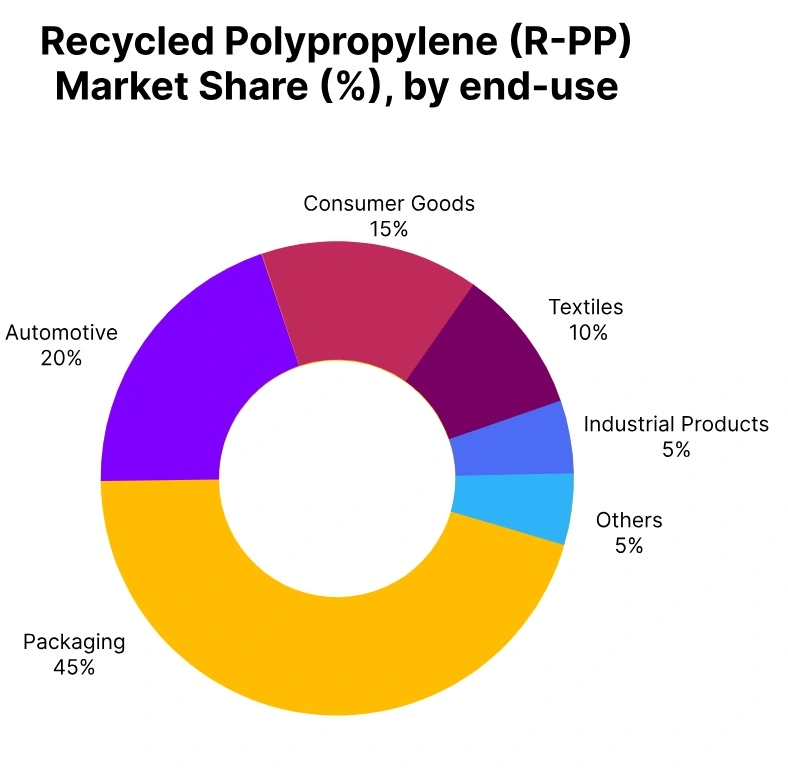
Recycled polypropylene market share end use

Historically, several events have caused significant fluctuations in Recycled Polypropylene (r-pp) prices

  • Global Supply Chain Disruptions (2021-2022): The COVID-19 pandemic caused widespread disruptions in supply chains, affecting both the availability of recycled polypropylene (R-PP) and its raw materials. Shipping delays, labour shortages, and port congestion led to increased transportation costs, which were passed on to R-PP buyers. The scarcity of raw materials combined with surging demand for packaging and other goods drove up R-PP prices. 
  • Suez Canal Blockage (March 2021): The blockage of the Suez Canal had a significant impact on global trade, including the movement of polypropylene and recycled materials. The disruption led to shipping delays, increased logistics costs, and price volatility, affecting R-PP pricing globally as manufacturers struggled to secure both virgin and recycled materials. 
  • Rising Crude Oil Prices (2020-2021): Polypropylene is derived from petrochemical products, so fluctuations in crude oil prices can have a direct effect on R-PP prices. In 2020, falling oil prices led to a reduction in virgin polypropylene costs, making R-PP less competitive. However, in 2021, when oil prices rebounded, the costs of both virgin and recycled polypropylene rose, influencing overall R-PP prices. 
  • China’s Plastic Import Restrictions (2018-2019): China’s ban on importing contaminated plastic waste from other countries, including R-PP, significantly impacted the global recycling market. As a result, many countries faced difficulties in managing waste streams, leading to reduced supply of recyclable polypropylene materials. This shortage drove up R-PP prices, especially as countries struggled to find alternative markets for their recyclable plastics. 
  • Demand Surge in Packaging Industry (2017-2018): In the late 2010s, there was a significant surge in demand for recycled materials due to heightened consumer awareness and regulations pushing for more sustainable packaging. The packaging industry, in particular, began increasing its use of recycled polypropylene for products like food containers and packaging films. This higher demand, combined with tight supply, led to a rise in R-PP prices during this period. 
  • PP Price Volatility Due to Hurricane Disruptions (2017): In 2017, hurricanes in the Gulf of Mexico disrupted polypropylene production facilities, leading to a temporary shortage of virgin polypropylene. This impacted the availability of recycled polypropylene (R-PP), driving up its prices as supply tightened and demand remained high. 

Why Price Watch™?

Price Watch™ is your trusted resource for tracking global recycled polypropylene (r-pp) price trends. Our platform delivers real-time data and expert analysis, offering deep insights into the key factors driving price fluctuations in the recycled polypropylene (r-pp) market. By monitoring critical events such as geopolitical tensions, supply chain disruptions, and economic shifts, Price Watch™ keeps you fully informed of market dynamics.

In addition, Price Watch™ provides detailed forecasts and updates on production capacities, enabling you to anticipate market changes and make well-informed decisions. With Price Watch™, you gain a competitive edge in understanding all the elements that influence recycled polypropylene (r-pp) prices worldwide. Stay ahead of the curve with Price Watch’s™ reliable, accurate, and timely recycled polypropylene (r-pp) market data.

Track Price Watch's™ recycled polypropylene (r-pp) price assessment on a weekly basis since 2015 onwards, along with short-term forecasts, and get access to the detailed report in a downloadable format.

Recycled Polypropylene (r-pp) Market Price Trend published by Price Watch™ reflect prevailing spot market conditions, derived from independent research, verified trade inputs, and proprietary market intelligence as of the publication date. Prices are published on the specified Incoterm and represent indicative base market levels, exclusive of applicable taxes, VAT, duties, tariffs, and other statutory charges. Actual transaction values may vary depending on volume, credit terms, contractual structure, and other negotiated conditions. Market prices are inherently subject to volatility, liquidity dynamics, regulatory changes, and evolving trade activity. The information provided is for reference and benchmarking purposes only and does not constitute an offer, recommendation, or guarantee of transactional outcomes. Users should exercise independent commercial judgment and assess their specific contractual, regulatory, tax, and application requirements before making business decisions. Price Watch™ assumes no liability for decisions taken based on this information.

The price of Recycled Polypropylene (R-PP) is influenced by several key factors. First, the cost of virgin polypropylene (PP) plays a significant role, as fluctuations in the price of raw polypropylene derived from petrochemical products can impact the cost competitiveness of recycled materials. Supply and demand dynamics are crucial; high demand from industries such as packaging, automotive, and construction can drive up prices, while an oversupply of recycled materials may lower them. The availability of feedstock—specifically, post-consumer polypropylene waste—also impacts prices, as shortages in raw materials for recycling can lead to higher costs. Logistics and transportation costs, including shipping delays, fuel prices, and port congestion, can further affect prices by increasing the cost of moving recycled materials. Additionally, regulatory policies such as recycling mandates or extended producer responsibility (EPR) regulations in certain regions can either incentivize recycling or reduce the supply of recycled material, influencing prices.

Procurement managers can secure the best price for R-PP by adopting strategic approaches. Monitoring market trends and staying updated on fluctuations in raw material prices, supply chain conditions, and demand in key industries can help predict price movements. Long-term contracts are an effective way to lock in favorable pricing, protecting against market volatility. Bulk purchasing can also help negotiate lower prices, as it provides suppliers with guaranteed orders. Diversifying the supplier base by working with multiple suppliers from different regions can provide leverage and reduce reliance on a single source, ensuring more competitive pricing. Additionally, developing close relationships with suppliers and committing to long-term partnerships can lead to better terms and pricing over time.

Global events, such as geopolitical tensions, economic downturns, and natural disasters, can have significant impacts on R-PP prices. For instance, geopolitical events like trade disputes or sanctions may disrupt supply chains and create material shortages, causing R-PP prices to rise. Economic factors, such as inflation, changes in consumer demand, or economic recessions, can also affect R-PP prices by altering production levels or reducing demand in certain industries. Natural disasters like hurricanes or floods can disrupt recycling operations and the supply of feedstock, leading to price fluctuations. Moreover, global oil price fluctuations can impact both virgin polypropylene production and the competitive pricing of R-PP, as oil prices directly influence the cost of petrochemical feedstocks used in polypropylene production. Lastly, regulatory changes in major markets, such as stricter recycling laws or waste management regulations, can either drive up demand for recycled materials or disrupt supply, leading to price changes.

R-PP (Recycled Polypropylene) is a sustainable plastic made from recycled polypropylene waste such as packaging, automotive parts, and industrial plastics. It is widely used in packaging, automotive components, and consumer goods. Its price impacts production costs and sustainability goals across industries. Price-Watch™ tracks R-PP prices to help businesses stay informed about market movements and cost trends.

R-PP prices fluctuate based on region, grade, and market conditions, influenced by feedstock availability (such as PP scrap), recycling costs, freight rates, and demand from packaging, automotive, and consumer goods industries. Prices are typically quoted per metric ton and vary with supply-demand balance. Price-Watch™ provides up-to-date price assessments across key global markets.

R-PP prices are influenced by PP scrap availability, recycling capacity, demand for sustainable materials, and regulatory policies promoting recycled content. Global supply-demand dynamics, feedstock price fluctuations, and environmental regulations play key roles. Recent trends show increasing demand driven by circular economy initiatives and sustainability commitments.

Major consumers of R-PP include the automotive industry, packaging sector, and consumer goods manufacturers. Automotive applications and rigid packaging account for significant demand, followed by household and industrial products. Price-Watch™ tracks consumption trends across these sectors.

R-PP is produced by collecting, sorting, cleaning, and recycling post-consumer and post-industrial polypropylene waste such as containers, caps, automotive parts, and industrial scrap. It is then processed into pellets for reuse in various applications.

Major exporters of R-PP include countries such as Germany, the Netherlands, the United States, and key Asian recycling hubs like India and Southeast Asia. Export volumes vary depending on recycling capacity, feedstock availability, domestic demand, and environmental regulations. Price-Watch™ monitors global trade flows and supply availability.

Supply of R-PP can be constrained due to inconsistent availability of high-quality PP scrap and growing demand from industries aiming to meet sustainability targets. Collection efficiency and recycling infrastructure play critical roles in supply availability. Price-Watch™ closely tracks supply-demand balances to highlight potential shortages or oversupply situations.

R-PP is available in multiple grades such as injection molding grade, extrusion grade, and compound grades. Prices vary based on contamination levels, color, melt flow rate, processing quality, and end-use requirements. Price-Watch™ provides grade-wise price assessments for better market clarity.

When demand rises sharply, often driven by sustainability commitments or regulatory mandates, prices tend to increase, supply tightens, and buyers may experience limited availability in the market. Price-Watch™ captures these shifts in real time.

PP scrap is the primary feedstock for R-PP. Any increase in scrap prices or collection costs directly raises recycling costs, which recyclers may pass on to buyers. Price-Watch™ analyses scrap-R-PP price correlations to explain cost movements.

Regional prices vary due to differences in recycling infrastructure, availability of PP scrap, labor and energy costs, government regulations, freight rates, and local demand for recycled materials. Price-Watch™ tracks regional differentials to highlight pricing gaps across markets.

The R-PP price outlook depends on trends in PP scrap availability, recycling capacity expansions, regulatory policies on recycled content, brand sustainability commitments, and overall global economic conditions. Price-Watch™ publishes regular forecasts projecting price direction over the next 12 months.

Yes. Reliable forecasts help buyers plan procurement, meet sustainability targets, manage inventory, negotiate contracts, and control production costs. Price-Watch™ forecasts support smarter purchasing and budgeting decisions.

Events such as changes in recycling regulations, trade policies, waste import/export restrictions, energy price volatility, or geopolitical tensions can affect scrap availability, recycling rates, and global trade flows, leading to fluctuations in R-PP prices. Price-Watch™ provides timely updates on such market-moving events.

Price-Watch™ gathers data from recyclers, producers, converters, traders, and buyers to publish transparent R-PP price assessments, market reports, and forecasts, helping stakeholders stay ahead of market trends.