Soybean Price Trend and Forecast

Weekly Update
|
Historical Data Since 2015
|
Forecast for 2026
  • Commodity Pricing

soybean Price Trends by Country

inIndia

Global soybean Spot Market Prices, Trend Analysis and Forecast

Price Watch™ provides real-time price assessments and price forecasts for Soybean across top trading regions:

Regional Coverage Grade and Country Coverage Pricing Data Coverage Explanation
Asia Soybean Pricing Analysis Yellow Soybean Ex-Amravati Domestic Prices, West India, Maharashtra Weekly price update on Soybean real-time domestic prices in Amravati, West India, Maharashtra.

Note: In assessments structured as CIF [Importing Port] (Exporting Country), the country mentioned in brackets indicates the primary origin of supply (exporting country), while the named port refers to the destination port in the importing country. Other Incoterms (FOB, FD, EXW, etc.) should be interpreted in accordance with standard international trade definitions.

Soyabean Price Trend Q1 2026

For Q1 2026, prices of Yellow Soybean in international as well as domestic markets showed a robust bullish pattern, aided by favorable supply-side factors coupled with healthy demand dynamics. In international markets, soybean prices are supported on the back of a balanced production and healthy demand for the product in both feed and oil mill segments.

This prevented any sort of downside pressure on the prices. Meanwhile, in India, there has been a sudden upsurge in prices of Yellow Soybean owing to lower arrivals of Kharif production in states like Madhya Pradesh and Maharashtra, along with active buying by oil extraction units for exporting soybean meal abroad.

India: Soybean Domestically Traded Prices Ex-Amravati (Maharashtra), India, Grade – Yellow Soyabean

According to Price-Watch™, in Q1 2026, Yellow Soybean price in India recorded a sharp quarterly increase of approximately 17.33%, marking the most significant upward movement observed across the entire review period. The Yellow Soybean price trend in India is driven by tightening domestic supply amid subdued kharif arrivals from Madhya Pradesh and Maharashtra, compounded by elevated procurement by crushing units catering to strong soybean meal export demand.

Yellow Soybean prices at the Ex-Amravati (Maharashtra) market reflected firm sentiment across spot transactions as trader inventories remained lean. In March 2026, Yellow Soybean price in India rose further by around 3.86%, underpinned by continued mill-buying interest and limited farmer selling, sustaining the bullish momentum into the quarter-close.

Soybean Price Trend Analysis: Q4 2025

In Q4 2025, Yellow Soybean prices across global and Indian markets exhibited a slightly bearish to stable trend, influenced by seasonal supply dynamics. Globally, soybean markets remained relatively balanced, with steady production and demand limiting significant price volatility. In India, prices declined modestly as peak kharif harvest arrivals increased supply across key trading centers, including Maharashtra, temporarily outpacing demand from processors.

However, as the quarter progressed, the market gradually stabilized with consistent crushing demand absorbing available supply. Toward the end of the quarter, reduced farmer selling and improved procurement by mills supported a price recovery. Overall, the market reflected seasonal correction followed by stabilization, with a firm close driven by steady demand fundamentals.

India: Soybean Domestically Traded Prices Ex-Amravati (Maharashtra), India, Grade – Yellow Soyabean

In Q4 2025, Yellow Soybean price in India declined by approximately 2.03% on a quarterly basis, as peak kharif harvest arrivals renewed supply-side pressure across Maharashtra’s major trading centres, including Amravati. The Yellow Soybean price trend in India reflected a familiar seasonal pattern where fresh crop inflows temporarily outpaced demand absorption capacity, capping upside despite firm underlying consumption.

Processor offtake remained steady but insufficient to fully counter the arrival surge in the early part of the quarter. Yellow Soybean prices stabilised as the quarter progressed, and in December 2025, Yellow Soybean price in India rebounded by around 3.57%, as farmer selling eased and mills stepped up year-end procurement activity, providing a constructive close to the quarter.

During Q3 2025, Yellow Soybean prices across global and Indian markets exhibited a firm to moderately bullish trend, supported by tightening supply and strong demand fundamentals. Globally, soybean markets remained stable with steady demand from feed and oil processing sectors, providing underlying price support.

In India, prices extended their recovery, driven by tight carryover stocks, robust soybean meal export demand, and sustained procurement by crushing units. Strong mill-level buying kept market sentiment firm throughout most of the quarter.

However, toward the end of the period, the arrival of fresh kharif crop in mandis introduced seasonal supply pressure, leading to a mild correction. Overall, the market reflected strong demand-led growth followed by a temporary seasonal adjustment.

India: Soybean Domestically Traded Prices Ex-Amravati (Maharashtra), India, Grade – Yellow Soyabean

In Q3 2025, Yellow Soybean price in India extended its recovery, appreciating by approximately 5.53% on a quarterly basis, the strongest upward movement recorded since the price upcycle began in Q2 2025. The Yellow Soybean price trend in India was underpinned by tight carryover stocks, robust soybean meal export demand, and firm underlying support from the broader oilseed complex.

Sustained mill-level procurement at Amravati kept the physical market well-supported through most of the quarter. Yellow Soybean prices reflected strong fundamental demand during this period. In September 2025, Yellow Soybean price in India softened by around 2.97%, as fresh kharif arrivals began entering mandis, prompting a seasonal correction toward the quarter-close.

During Q2 2025, Yellow Soybean prices across global and Indian markets exhibited a moderate recovery trend, signaling a shift from the earlier bearish phase. Globally, soybean markets remained relatively balanced, with steady demand from feed and oil processing sectors providing underlying support to prices.

In India, prices rebounded as declining old-crop stocks and slower farmer selling reduced spot availability across key mandis. At the same time, improving soybean meal export enquiries strengthened demand from processors, encouraging active procurement ahead of the lean season. This combination of tightening supply and steady demand supported gradual price firming. Overall, the market reflected a constructive recovery phase with stable upward momentum driven by improving fundamentals.

India: Soybean Domestically Traded Prices Ex-Amravati (Maharashtra), India, Grade – Yellow Soyabean

In Q2 2025, Yellow Soybean price in India recovered meaningfully, posting a quarterly gain of approximately 2.71%, signalling a reversal of the prolonged downtrend observed since Q3 2024. The Yellow Soybean price trend in India turned constructive as old-crop stocks declined progressively and farmer selling slowed considerably, reducing available spot supply at Amravati and other key mandis.

Rising soybean meal export enquiries added demand-side support, encouraging processors to build procurement positions ahead of the lean season. Yellow Soybean prices firmed steadily through the quarter. In June 2025, Yellow Soybean price in India advanced by around 2.24%, reflecting continued tightening of nearby supplies and improving export-driven crushing demand into the quarter-end.

In Q1 2025, Yellow Soybean prices across global and Indian markets exhibited a bearish trend, driven by excess supply and weak demand conditions. Globally, soybean markets remained relatively stable but lacked strong demand support, limiting any upward price momentum. In India, prices declined significantly due to persistent post-harvest supply overhang from the previous quarter, which continued to pressure market sentiment.

Additionally, weak domestic soybean oil demand and competitive edible oil imports reduced crushing margins, discouraging aggressive procurement by processors. Although prices showed slight stabilization toward the end of the quarter as arrivals slowed, overall market sentiment remained subdued. The quarter reflected a supply-driven downturn with limited recovery triggers and weak demand fundamentals.

India: Soybean Domestically Traded Prices Ex-Amravati (Maharashtra), India, Grade – Yellow Soyabean

In Q1 2025, Yellow Soybean price in India recorded a significant quarterly decline of approximately 5.30%, representing the sharpest quarterly drop across the entire review period. The Yellow Soybean price trend in India remained under sustained pressure as lingering post-harvest supply overhang from Q4 2024 continued to weigh on market sentiment.

Crushing margins remained thin amid soft domestic soybean oil demand and competitive edible oil import pricing, discouraging aggressive processor procurement. Yellow Soybean prices reflected a market with limited near-term recovery triggers. In March 2025, Yellow Soybean price in India stabilised marginally, rising by approximately 0.26%, as arrival flows began tapering and a tentative floor emerged in spot valuations at Amravati.

Soybean Price Trend Analysis: Q4 2024

During Q4 2024, Yellow Soybean prices across global and Indian markets exhibited a bearish trend, primarily driven by strong supply-side pressures. Globally, soybean markets remained relatively stable with adequate production and steady demand, limiting significant price volatility.

In India, however, prices declined notably as peak kharif harvest arrivals from key producing states such as Maharashtra and Madhya Pradesh led to a surge in market supply. The influx of fresh crop overwhelmed procurement capacity, despite steady processor demand.

Additionally, aggressive farmer selling and ample mandi stocks further weighed on prices. Overall, the market reflected a supply-driven downturn, with sustained pressure and weak price sentiment throughout the quarter.

India: Soybean Domestically Traded Prices Ex-Amravati (Maharashtra), India, Grade – Yellow Soyabean

In Q4 2024, Yellow Soybean price in India fell by approximately 3.04% over the quarter, marking one of the more pronounced quarterly declines of the year. The Yellow Soybean price trend in India turned decisively bearish as peak kharif harvest arrivals intensified across Maharashtra and Madhya Pradesh, flooding major trading centres including Amravati with fresh crop supply.

Processor buying, while active, was unable to absorb the volume surge, exerting sustained downward pressure on spot rates. Yellow Soybean prices continued to weaken through December 2024, with the monthly reading showing a steep decline of approximately 3.34%, as aggressive farmer selling ahead of year-end and ample mandi stocks compounded the bearish price trajectory.

During Q3 2024, Yellow Soybean prices across global and Indian markets exhibited a slightly bearish to volatile trend, shaped by evolving crop expectations and supply dynamics. Globally, improving crop prospects and stable production outlooks kept market sentiment soft, limiting strong price movements. In India, prices declined modestly as favorable kharif sowing progress and expectations of higher output discouraged aggressive procurement by processors and traders.

However, toward the end of the quarter, delayed harvest arrivals due to extended monsoon conditions tightened near-term availability, triggering a sharp price rebound. Overall, the market reflected initial weakness followed by a strong late-quarter recovery, resulting in moderate volatility and improved closing sentiment.

India: Soybean Domestically Traded Prices Ex-Amravati (Maharashtra), India, Grade – Yellow Soyabean

In Q3 2024, Yellow Soybean price in India declined by approximately 1.68% on a quarterly basis, as fresh kharif sowing progress and improving crop prospects exerted downward pressure on forward sentiment.

The Yellow Soybean price trend in India remained soft through the quarter as market participants anticipated higher production, limiting aggressive buying by processors and traders. Yellow Soybean prices stayed subdued amid an overall bearish supply narrative.

However, in September 2024, Yellow Soybean price in India reversed sharply, surging by around 5.05%, as delayed harvest arrivals due to extended monsoon rainfall in Maharashtra tightened near-term spot availability, prompting a significant end-of-quarter price recovery at the Amravati mandi.

During Q2 2024, Yellow Soybean prices across global and Indian markets exhibited a largely stable and rangebound trend, reflecting balanced supply-demand dynamics. Globally, soybean markets remained steady with adequate availability and cautious demand, limiting any strong price direction.

In India, prices showed minimal movement as residual old-crop supply and uncertainty around the upcoming kharif sowing season kept market sentiment subdued. Processor procurement remained conservative, with mills maintaining controlled inventory levels amid unclear monsoon outlook and competitive global oilseed prices.

Limited buying interest and steady supply prevented major fluctuations. Overall, the market reflected a neutral trend with low volatility, as both buyers and sellers adopted a cautious approach throughout the quarter.

India: Soybean Domestically Traded Prices Ex-Amravati (Maharashtra), India, Grade – Yellow Soyabean

In Q2 2024, Yellow Soybean price in India showed near-flat movement, recording a marginal quarterly gain of approximately 0.15%, indicative of a broadly range-bound market.

The Yellow Soybean price trend in India reflected a fragile balance between residual old-crop supply and cautious new-season expectations ahead of the kharif sowing cycle.

Processor buying remained measured, with mills managing inventory conservatively amid uncertain monsoon outlook and competitive global oilseed pricing. Yellow Soybean prices exhibited limited directional bias through most of the quarter.

In June 2024, Yellow Soybean price in India slipped slightly by around 0.23%, as pre-sowing sentiment softened and traders refrained from aggressive procurement ahead of the new crop cycle.

In Q1 2024, Yellow Soybean prices across global and Indian markets exhibited a moderately bearish trend, influenced by comfortable supply conditions and subdued demand. Globally, soybean markets remained stable with adequate production and balanced demand, limiting strong price movements.

In India, prices declined as continued post-harvest arrivals from the kharif season maintained ample supply across key mandis, including Amravati. Weak crushing demand, impacted by competitive soybean oil import pricing, further reduced procurement activity and weighed on market sentiment.

However, toward the end of the quarter, easing arrivals and slight improvement in spot buying supported marginal price stabilization. Overall, the market reflected a supply-driven softness with mild recovery toward the quarter close.

India: Soybean Domestically Traded Prices Ex-Amravati (Maharashtra), India, Grade – Yellow Soyabean

In Q1 2024, Yellow Soybean price in India registered a quarterly decline of approximately 2.03%, reflecting subdued market sentiment at the start of the year. The Yellow Soybean price trend in India was weighed down by adequate post-harvest arrivals from the kharif season, which kept supply pressure elevated across major mandis including Amravati.

Tepid offtake from crushing units amid competitive import parity of soybean oil further dampened procurement activity. Yellow Soybean prices remained under pressure for most of the quarter.

However, in March 2024, Yellow Soybean price in India edged up marginally by around 0.70%, as seasonal arrival momentum eased slightly and spot buying provided modest support toward the quarter-end.

Technical Specifications of Soybean Price Trends

Product Description:

Soybean is a widely cultivated oilseed crop known for its high protein and oil content. It is a staple agricultural commodity traded extensively in mandis such as Amravati (Maharashtra). Soybean is primarily used for the extraction of soybean oil and production of soybean meal, which is a key ingredient in animal feed. It is also utilized in food processing (soy flour, tofu, soy milk), biodiesel production, and various industrial applications. The crop is harvested during the Kharif season and its quality depends on factors such as moisture content, grain size, oil percentage, and foreign matter.

Identifiers and Classification:

  • Commodity Name – Yellow Soybean
  • HS Code – 12019000
  • Scientific Name – Glycine max
  • Category – Oilseed / Agricultural Commodity
  • Origin – Amravati, Maharashtra (India)
  • Unit of Trade – Quintal (100 kg)


Key Quality Parameters:

  • Moisture Content – Typically 10–12% max
  • Oil Content – 18–20%
  • Protein Content – 38–40%
  • Foreign Matter – ≤ 1–2%
  • Damaged Grains – As per FAQ/market standards
  • Appearance – Yellow, clean, uniform grains


Soybean Synonyms:

  • Yellow Soybean
  • Soyabean
  • Soya Bean
  • Soybean (FAQ Grade)
  • Glycine max (Botanical Name)


Soybean Grades Specific Price Assessment:

  • Yellow Soybean


Soybean Global Trade and Shipment Terms

  • Quotation Terms: 25–28 MT
  • Packaging Type: Bags (50 Kgs)


Incoterms Referenced in Soybean Price Reporting

Shipping Term Location Definition
Ex-Amravati (Maharashtra) Amravati, Maharashtra, India Domestically traded Soybean prices in Amravati

Quotation Terms refers to the quantity range specified for the Soybean being quoted or offered in a commercial transaction.

Packaging Type refers to standard packaging size commonly used for Soybean packing, ease of handling, transportation, and storage in industrial and commercial applications.

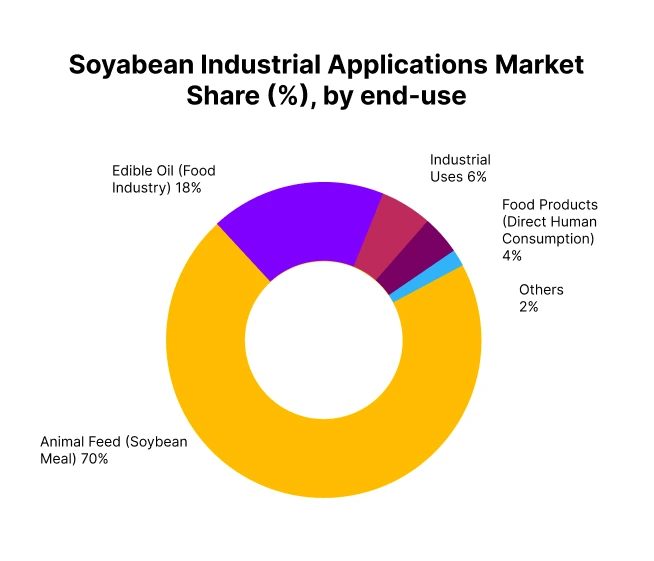
Soybean Industrial Applications

Historically, several events have caused significant fluctuations in Soybean prices

Why Price Watch™?

Price Watch™ is your trusted resource for tracking global soybean price trends. Our platform delivers real-time data and expert analysis, offering deep insights into the key factors driving price fluctuations in the soybean market. By monitoring critical events such as geopolitical tensions, supply chain disruptions, and economic shifts, Price Watch™ keeps you fully informed of market dynamics.

In addition, Price Watch™ provides detailed forecasts and updates on production capacities, enabling you to anticipate market changes and make well-informed decisions. With Price Watch™, you gain a competitive edge in understanding all the elements that influence soybean prices worldwide. Stay ahead of the curve with Price Watch’s™ reliable, accurate, and timely soybean market data.

Track Price Watch's™ soybean price assessment on a weekly basis since 2015 onwards, along with short-term forecasts, and get access to the detailed report in a downloadable format.

Soybean Market Price Trend published by Price Watch™ reflect prevailing spot market conditions, derived from independent research, verified trade inputs, and proprietary market intelligence as of the publication date. Prices are published on the specified Incoterm and represent indicative base market levels, exclusive of applicable taxes, VAT, duties, tariffs, and other statutory charges. Actual transaction values may vary depending on volume, credit terms, contractual structure, and other negotiated conditions. Market prices are inherently subject to volatility, liquidity dynamics, regulatory changes, and evolving trade activity. The information provided is for reference and benchmarking purposes only and does not constitute an offer, recommendation, or guarantee of transactional outcomes. Users should exercise independent commercial judgment and assess their specific contractual, regulatory, tax, and application requirements before making business decisions. Price Watch™ assumes no liability for decisions taken based on this information.

Soybean is a high-protein oilseed crop widely used across agricultural and industrial applications including animal feed, edible oil production, biodiesel manufacturing, food processing, and industrial ingredient supply. Its price directly impacts the cost of downstream products ranging from livestock feed and cooking oils to soy-based foods, biofuels, and specialty ingredients, making Soybean pricing a critical factor for farmers, processors, and manufacturers worldwide. Price-Watch™ tracks these prices to help businesses and consumers understand and stay updated with market trends.

Soybean prices vary by region. Prices are typically quoted per metric ton or per bushel and change based on supply, demand, crop conditions, and energy prices. Price-Watch™ provides real-time price assessments across different global markets to help buyers and sellers make informed decisions.

Soybean prices fluctuate due to changes in input costs (primarily fertilizers and energy), crude oil and biofuel demand, production volumes, and demand from key consuming industries such as animal feed, edible oils, and food processing. Weather patterns and crop yield variability, global acreage shifts between competing crops like corn and wheat, seasonal harvest cycles, transportation and logistics costs, export competition between major producing nations, competition with alternative oilseeds such as canola and sunflower, and broader macroeconomic conditions further shape price trends, with recent outlooks reflecting volatility driven by climate events and shifting global trade flows.

The biggest buyers of Soybean are animal feed manufacturers, followed by edible oil processors and food companies. Additional demand comes from biodiesel and renewable fuel producers, soy protein and isolate manufacturers, aquaculture feed producers, industrial ingredient suppliers, and exporters supplying global grain markets. Price-Watch™ analyses demand patterns across all these industries.

Soybeans are grown primarily in large-scale agricultural regions across the Americas and Asia. They are produced by commercial farmers and agribusiness operations, with supply integrated into broader oilseed and grain value chains through crushing facilities, grain elevators, and export terminals.

Soybean trade is driven by production capacity, regional demand balances, and agricultural integration. Brazil is typically the world’s largest exporter of Soybeans, followed by the United States and Argentina, which serve as major production and trading hubs. Paraguay and Canada have also emerged as significant exporters. Export volumes fluctuate based on domestic crush demand, harvest outcomes, shipping costs, currency movements, and regional capacity expansions or weather disruptions. Price-Watch™ tracks production levels, export flows, and trade patterns to help businesses understand global supply chains and identify sourcing opportunities.

Supply generally matches demand, but regional shortages can occur due to adverse weather, crop disease, logistical bottlenecks, or sudden spikes in feed or crush activity. Drought conditions in key growing regions or port congestion at major export terminals can temporarily tighten markets. Price-Watch™ monitors these supply-demand imbalances to alert the market about potential shortages or surpluses.

Soybean prices vary by grade based on protein content, moisture levels, foreign matter, and application suitability. Yellow Grade Soybean commands premium pricing due to its high protein content, uniform color, and suitability for both food-grade processing and high-quality crush operations, while lower or mixed grades trade at discounts. Food-grade and non-GMO certified soybeans command additional premiums due to stringent quality and traceability requirements. Price-Watch™ provides separate price assessments for each grade to ensure market transparency.

When Soybean demand rises quickly, often due to increased animal feed production, expanded crush capacity, or biofuel mandates, prices typically increase. Suppliers may prioritize long-term contract customers, while spot buyers face tighter availability, longer lead times, or premium pricing to secure supplies. Production flexibility is limited by seasonal crop cycles and fixed planting windows. Price-Watch™ captures these market dynamics in real-time.

Energy is a significant cost component in soybean farming, processing, and transportation. When diesel, natural gas, or fertilizer costs rise, producers and crushers typically pass these costs on to buyers, making Soybeans more expensive. Soybean oil prices are also closely tied to crude oil through biodiesel demand linkages. This is why prices in regions with lower energy and input costs tend to be more competitive a correlation that Price-Watch™ analyses in its price assessments and market reports.

Soybean prices vary by region based on local production volumes, soil and climate conditions, input and logistics costs, import/export dynamics, and regional crushing or processing demand. Areas with limited local production or higher freight costs typically see higher prices, while regions with integrated agribusiness infrastructure and favorable growing conditions often have lower prices. Price-Watch™ tracks prices across all major regions to highlight these differences.

The Soybean market outlook depends on factors such as planted acreage and yield projections in key producing countries, fertilizer and energy cost trends, biodiesel policy and renewable fuel mandates, global crush capacity additions, demand growth in animal feed and food processing industries, seasonal harvest and export cycles, and macroeconomic indicators affecting agricultural trade. Price-Watch™ regularly publishes detailed forecasts that project price movements for the next 12 months based on comprehensive analysis of supply additions, demand growth in key industries, seasonal patterns, and macroeconomic indicators. Our forecasts help businesses anticipate market conditions and plan accordingly.

Absolutely. Accurate forecasting allows you to time your purchases better, negotiate contracts more effectively, and budget more accurately. If Price-Watch™ forecasts predict a price increase in three months, you might choose to stock up now or lock in long-term contracts at current rates, potentially saving thousands of dollars.

Events like droughts, floods, trade disputes, export restrictions, or economic downturns can disrupt crop production or shipping routes, causing supply shortages and price spikes. La Niña-driven drought impacts on South American harvests, U.S.-China trade tensions affecting soybean flows, and pandemic-related logistics disruptions have created significant market volatility. Price-Watch™ provides timely alerts when such events affect the market.

Price-Watch™ collects data from farmers, traders, processors, and buyers worldwide to publish regular price assessments, market reports, and forecasts. Our transparent methodology and comprehensive coverage make us a trusted source for understanding fair pricing and market trends in the Soybean industry.