Price Watch™ provides real-time price assessments and price forecasts for Polyoxymethylene (POM) across top trading regions:
| Polyoxymethylene (POM) Regional Coverage | Polyoxymethylene (POM) Grade and Country Coverage | Polyoxymethylene (POM) Pricing Data Coverage Explanation |
| Polyoxymethylene (POM) Low Viscosity Copolymer GPIM (MFR:27) FOB prices at Busan port, South Korea | Weekly Price Update on Propylene Glycol Monomethyl Ether (PGME) Real-Time Export Prices from Busan port, South Korea to Global Markets | |
| Polyoxymethylene (POM) Low Viscosity Copolymer GPIM (MFR:27) FOB prices at Laem Chabang port, Thailand | Weekly Price Update on Propylene Glycol Monomethyl Ether (PGME) Real-Time Export Prices from Laem Chabang port, Thailand to Global Markets | |
|
Asia-Pacific Polyoxymethylene
|
Polyoxymethylene (POM) Low Viscosity Copolymer GPIM (MFR:27) CIF Prices at Haiphong port, Vietnam Importing from Thailand | Weekly Price Update on Polyoxymethylene (POM) Real-Time Import Prices at Haiphong port, Vietnam from Thailand |
| Polyoxymethylene (POM) Low Viscosity Copolymer GPIM (MFR:27) CIF Prices at Nhava Sheva port, India Importing from South Korea | Weekly Price Update on Polyoxymethylene (POM) Real-Time Import Prices at Nhava Sheva port, India from South Korea | |
| Polyoxymethylene (POM) Low Viscosity Copolymer GPIM (MFR:27) Ex-Delhi Domestic Prices, India | Weekly Price Update on POM Domestic Prices in Delhi, India | |
| Polyoxymethylene (POM) Low Viscosity Copolymer GPIM (MFR:27) CIF Prices at Shanghai port, China Importing from USA | Weekly Price Update on Polyoxymethylene (POM) Real-Time Import Prices at Shanghai port, China from USA | |
| Polyoxymethylene (POM) Low Viscosity Copolymer GPIM (MFR:27) CIF Prices at Shanghai port, China Importing from South Korea | Weekly Price Update on Polyoxymethylene (POM) Real-Time Import Prices at Shanghai port, China from South Korea | |
| North America Polyoxymethylene (POM) Pricing Analysis |
Polyoxymethylene (POM) Low Viscosity Copolymer GPIM (MFR:27) CIF Prices at Manzanillo port, Mexico Importing from USA | Weekly Price Update on Polyoxymethylene (POM) Real-Time Import Prices at Manzanillo port, Mexico from USA |
| Polyoxymethylene (POM) Low Viscosity Copolymer GPIM (MFR:27) FOB prices at Houston port, USA | Weekly Price Update on POM Real-Time Export Prices from Houston port, USA to Global Markets |
Polyoxymethylene (POM) Price Forecasts & Market Foresight Q3 2026
Outlook: Bearish
Confidence: High
POM prices are expected to remain under corrective pressure during Q3 2026 as softer methanol and formaldehyde feedstock costs reduce production expenses. Across Asia, including South Korea, China, Thailand, Vietnam, and India, ample regional availability, competitive export offers, and seasonal monsoon-related demand weakness are likely to weigh on market sentiment.
Meanwhile, North America, comprising the USA and Mexico, is expected to witness a relatively milder correction, supported by balanced demand from the automotive and industrial sectors.
Global Polyoxymethylene (POM) Market Overview by Region (July–September 2026)
| Country | Grade/ Incoterm | Outlook |
| South Korea | Low Viscosity Copolymer GPIM (MFR:27) FOB Busan | Mildly Bearish |
| Thailand | Low Viscosity Copolymer GPIM (MFR:27) FOB Laem Chabang | Bearish |
| Vietnam | Low Viscosity Copolymer GPIM (MFR:27) CIF Haiphong (THAILAND) | Bearish |
| India | Low Viscosity Copolymer GPIM (MFR:27) CIF Nhava Sheva (South Korea) | Bearish |
| India | Low Viscosity Copolymer GPIM (MFR:27) Ex-Delhi | Bearish |
| Mexico | Low Viscosity Copolymer GPIM (MFR:27) CIF Manzanillo (USA) | Bearish |
| USA | Low Viscosity Copolymer GPIM (MFR:27) FOB Houston | Bearish |
| China | Low Viscosity Copolymer GPIM (MFR:27) CIF Shanghai (USA) | Bearish |
| China | Low Viscosity Copolymer GPIM (MFR:27) CIF Shanghai (South Korea) | Bearish |
*Polyoxymethylene (POM) Forecast represents an analytical assessment based on information available at the time of publication. Actual market prices may vary due to unforeseen operational, regulatory, geopolitical, or economic developments.
Explore the Complete Price Watch™ Polyoxymethylene (POM) Forecast
Access comprehensive Polyoxymethylene (POM) market intelligence, including a 3-Month Rolling Forecast, 12-Month Price Forecast, forward price curves, country-wise market outlooks, procurement insights, and monthly forecast updates.
Explore Price Watch™ Polyoxymethylene (POM) Forecasts
What’s Included
The 3-Month Forecast (Updated Monthly)
It reflects changes in Methanol and Formaldehyde feedstock costs, energy prices, producer operating rates, plant outages, inventory levels, trade flows, freight rates, regional demand, and geopolitical developments affecting the global Polyoxymethylene (POM) market.
The 12-Month Forecast (Published Annually)
It provides a strategic outlook based on expected capacity additions, supply-demand balances, feedstock economics, macroeconomic conditions, industrial production trends, trade policies, seasonal demand patterns, and long-term supply chain developments, supporting procurement, budgeting, and strategic planning.
Our Proprietary Hybrid Forecasting Model Evaluates:
- Feedstock & production economics
- Plant operating rates & outages
- Inventory and supply-demand balance
- Regional trade flows & freight
- Import-export dynamics
- Macroeconomic & geopolitical developments
Track Polyoxymethylene (POM) Supply Disruptions in Real Time
As geopolitical risks continue to reshape global supply chains, stay ahead of the events that drive price movements by monitoring plant shutdowns, maintenance turnarounds, force majeure events, logistics bottlenecks, trade restrictions, and operational disruptions before they impact Polyoxymethylene (POM) markets.
Access the Price Watch™ GIO Tracker
Polyoxymethylene (POM) Price Trend Q2 2026
In Q2 2026, the global POM Price Trend has been witnessing a strong upward trajectory as escalating geopolitical tensions between the United States and Iran disrupted global energy markets and increased the production costs of key feedstocks, including Methanol, Formaldehyde, and Trioxane.
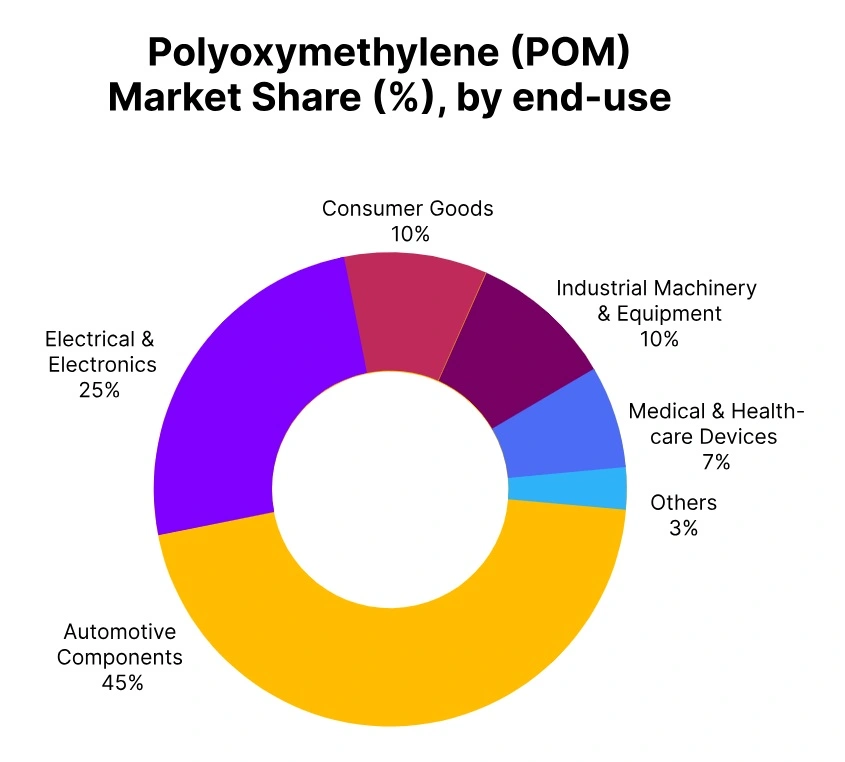
Higher manufacturing expenses, elevated freight rates, and tighter regional supply supported POM Prices across major producing and importing markets throughout most of the quarter. Demand from the automotive, electrical & electronics, consumer appliances, industrial machinery, and precision engineering sectors remained resilient, allowing producers to maintain firm pricing despite cautious procurement in certain regions.
The POM Price Chart reflected this sustained upward momentum across global markets during April and May. Following the mid-June US-Iran ceasefire and the agreement to reopen the Strait of Hormuz, feedstock availability improved and logistics constraints gradually eased.
The POM Price Index began reflecting this market normalization, with In June 2026, POM Prices correcting across most regions as Methanol, Formaldehyde, and Trioxane costs softened, supply conditions stabilized, and downstream buyers increasingly shifted toward need-based procurement.
South Korea: POM Export prices FOB Busan, South Korea; Grade- Low Viscosity Copolymer GPIM (MFR:27)
In Q2 2026, POM Price Trend in South Korea has been recording a significant increase of 10.94%, supported by firmer engineering plastics demand and higher production costs throughout most of the quarter.
POM Price in South Korea has been strengthening as escalating geopolitical tensions between the United States and Iran have increased Methanol and Formaldehyde costs, while robust export activity from South Korea’s manufacturing sector has sustained demand for POM used in automotive, electrical, and precision engineering applications.
Healthy overseas shipments of manufactured goods have further supported engineering plastics consumption, enabling suppliers to maintain firm FOB offers. However, following the US-Iran ceasefire and the reopening of the Strait of Hormuz, upstream feedstock costs have begun easing and export demand has moderated.
In June 2026, POM Prices in South Korea have been declining by 6.87% as lower Methanol costs, increasing regional supply, and cautious procurement from Asian converters have continued to pressure FOB market sentiment.
Thailand: POM Export prices FOB Laem Chabang, Thailand; Grade- Low Viscosity Copolymer GPIM (MFR:27)
In Q2 2026, POM Price Trend in Thailand has been recording a significant increase of 12.86%, supported by higher feedstock costs and improving demand from the automotive and electrical appliance sectors throughout most of the quarter.
POM Price in Thailand has been further supported by stronger procurement from manufacturers producing electrical connectors, consumer appliances, and industrial components for export markets across Southeast Asia.
Rising Methanol and Formaldehyde costs have also increased production expenses, enabling suppliers to maintain firmer domestic offers. Following the easing of geopolitical tensions in the Middle East, upstream feedstock costs have begun softening.
In June 2026, POM Prices in Thailand have been declining by 3.86% as lower Methanol costs, slower export orders, and cautious inventory management by downstream processors have continued to pressure market sentiment.
Vietnam: POM Import prices CIF Haiphong (THAILAND), Vietnam; Grade- Low Viscosity Copolymer GPIM (MFR:27)
In Q2 2026, POM Price Trend in Vietnam (CIF Haiphong from Thailand) has been recording a significant increase of 12.96%, supported by higher offered import costs and firm procurement from electronics and consumer goods manufacturers throughout most of the quarter.
Higher Thai export offers, elevated freight charges, and increased replacement costs have strengthened import pricing into Vietnam. Buyers have continued securing imported material to support export-oriented manufacturing, particularly in electrical and electronic components.
Following the improvement in regional logistics and easing feedstock costs, In June 2026, POM Prices in Vietnam have been declining by 3.78% as lower Thai export offers, improving cargo availability, and measured purchasing by converters have softened CIF Haiphong prices.
India: POM Domestically traded prices Ex-Delhi, India; Grade- Low Viscosity Copolymer GPIM (MFR:27)
In Q2 2026, POM Price Trend in India has been recording a significant increase of 14.80%, supported by higher import replacement costs and firm demand from the automotive, electrical equipment, and engineering plastics sectors throughout most of the quarter.
Rising import prices from Asian suppliers and higher Methanol-based production costs have strengthened domestic market sentiment, while manufacturers have replenished inventories to support production schedules ahead of the monsoon season. Strong demand for precision plastic components used in automobiles and consumer appliances has further supported prices.
In June 2026, POM Prices in India have been declining by 3.44% as lower Asian import offers, improving material availability, and cautious procurement by engineering plastics processors have moderated domestic market sentiment.
Mexico: POM Import prices CIF Manzanillo (USA), Mexico; Grade- Low Viscosity Copolymer GPIM (MFR:27)
In Q2 2026, POM Price Trend in Mexico (CIF Manzanillo from USA) has been recording a significant increase of 13.26%, supported by higher offered import costs and steady demand from the country’s automotive manufacturing sector throughout most of the quarter.
Firm US export offers, elevated logistics costs, and higher replacement values have increased CIF import prices into Mexico, while stable production by automotive OEMs has sustained procurement of engineering plastics. Importers have actively secured cargoes to maintain uninterrupted supply for industrial manufacturing.
In June 2026, POM Prices in Mexico have been declining by 2.77% as lower US export offers, easing logistics costs, and balanced inventories across the automotive supply chain have reduced import replacement costs.
USA: POM Export prices FOB Houston, USA; Grade- Low Viscosity Copolymer GPIM (MFR:27)
In Q2 2026, POM Price Trend in the USA has been recording a significant increase of 13.48%, supported by higher production costs and resilient demand from the automotive, medical devices, and industrial machinery sectors throughout most of the quarter.
Rising Methanol and Formaldehyde costs, together with elevated energy expenses, have strengthened production economics for domestic POM manufacturers. Healthy demand for high-performance engineering plastics used in precision components has enabled producers to maintain firm domestic offers.
In June 2026, POM Prices in the USA have been declining by 2.89% as lower upstream feedstock costs, improving domestic supply availability, and cautious purchasing from downstream manufacturers have softened market sentiment.
China: POM Import prices CIF Shanghai (South Korea), China; Grade- Low Viscosity Copolymer GPIM (MFR:27)
In Q2 2026, POM Price Trend in China (CIF Shanghai from South Korea) has been recording a significant increase of 11.04%, supported by higher import replacement costs and firm procurement from the automotive and consumer electronics sectors throughout most of the quarter.
Higher South Korean export offers, supported by rising Methanol and Formaldehyde costs, have increased offered import prices into China, while buyers have secured imported material for precision engineering applications.
Following the easing of feedstock costs and improving regional supply conditions, In June 2026, POM Prices in China have been declining by 6.74% as lower South Korean export offers, weaker manufacturing activity, and sufficient inventories among converters have continued to pressure CIF Shanghai prices.