

The recent escalation in the Middle East specifically the US and Israel’s coordinated strikes on Iran that began on February 28, 2026, has triggered a massive global energy shock. With the Strait of Hormuz effectively choked off, daily commercial ship transits plummeted from roughly 138 a day to fewer than 10. Consequently, Brent crude oil prices violently spiked from around $67 per barrel to over $115 per barrel in a matter of weeks.
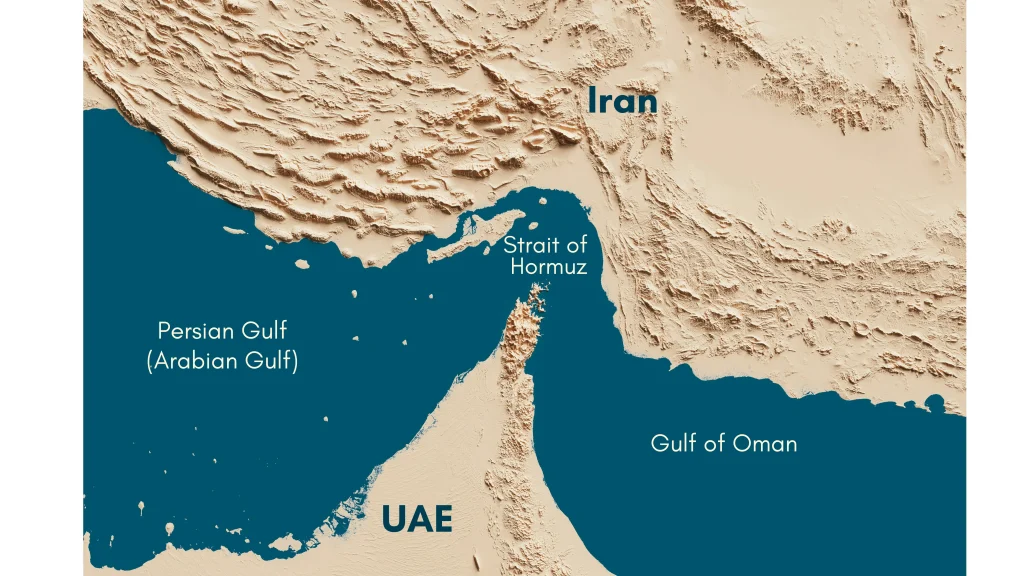
Figure 1. Pictorial representation of key maritime chokepoint, Strait of Hormuz
How much are OMCs Losing?
An OMC is a company that handles the distribution, marketing, and retailing of refined petroleum products to final consumers and businesses. They serve as the critical final link in the oil and gas supply chain, bridging the gap between crude oil refineries and the public.
Historically, when crude prices spike, the Indian government has a choice pass the cost to the consumer (fuelling massive inflation) or absorb the hit via subsidies and tax cuts (draining the treasury). In early 2026, the government attempted to shield consumers, but the cost has been staggering.
OMCs incur “under-recoveries” when they are forced to sell fuel at retail prices that are lower than the international Trade Parity Price (the cost to buy, refine, and transport the fuel).
- The Macro Cost: According to recent macroeconomic estimates, the fiscal cost of holding down fuel prices in the wake of the 2026 Middle East war stands at roughly 0.6% of India’s GDP annually.
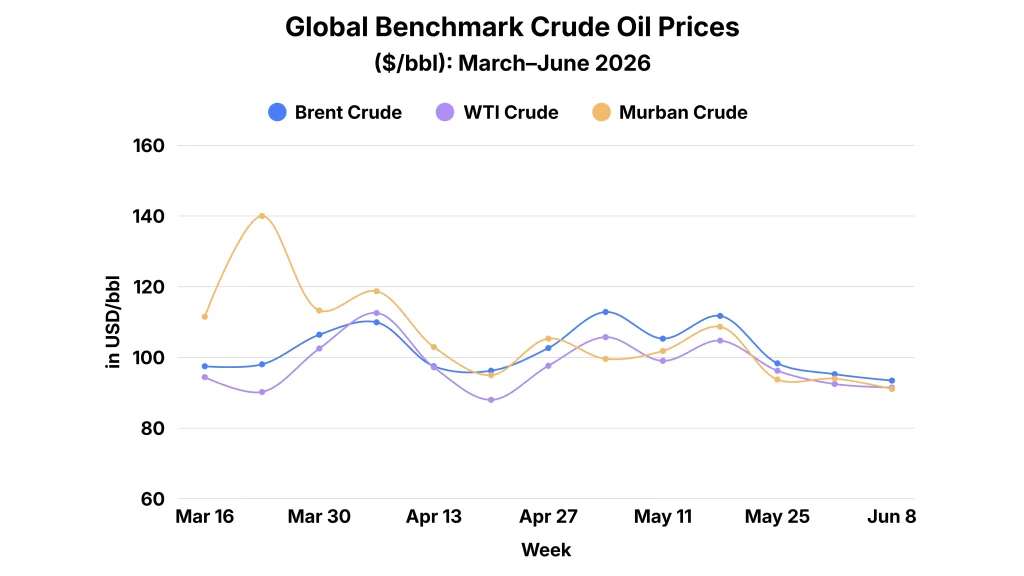
Figure 2. Global benchmark crude oil prices, weekly, 2026
- The Hard Numbers: For an economy sized at roughly $4 trillion, 0.6% translates to approximately $24 billion (over ₹2.2 lakh crore). This massive figure is split between direct OMC under-recoveries and government revenue lost to excise duty cuts.
- Currency Double the Curse: To make matters worse, the Indian Rupee depreciated from roughly 89.98 to 95.35 against the US Dollar between January and May 2026. Because crude is bought in dollars, this currency slide directly multiplies OMC losses.
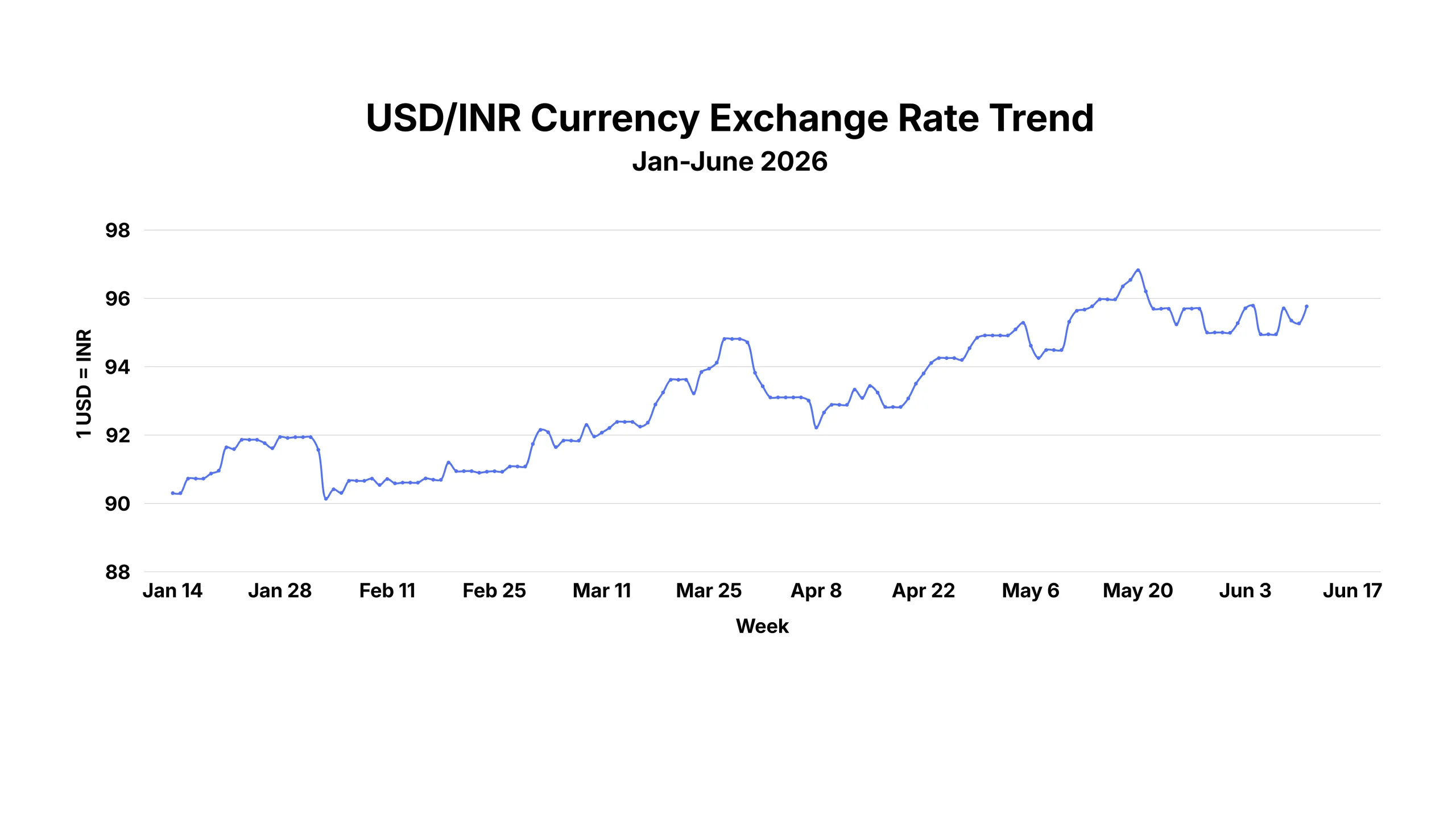
Figure 3. Comparison of USD and INR in 2026 on daily basis, Fxtop
With the blockade extending, OMCs are no longer able to absorb these margins, leading to the recent and inevitable upward revisions in petrol and diesel retail prices.
Deconstructing the Price: The Math at the Pump
Indian government use quiet a direct model for pricing of oil
Here is the structural flow of how a Liter of petrol or diesel is priced:
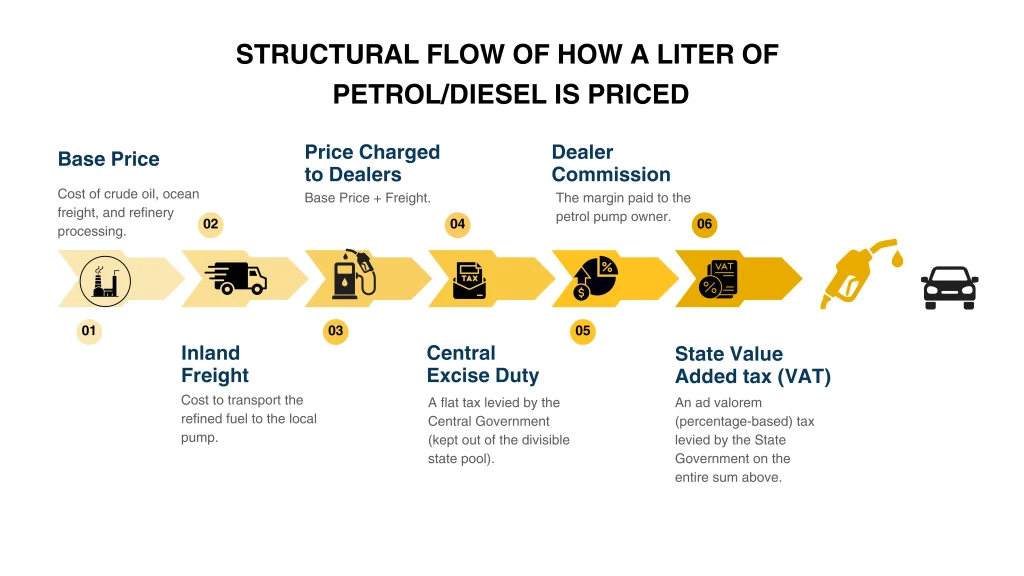
Figure 4. Structural flow of pricing of diesel/petrol in India, 2026
The Ad Valorem Trap:
The most punishing aspect of this structure is the State VAT. Because it is percentage-based, when the global base price of crude goes up, the absolute tax collected by the state also goes up. Consumers are penalized twice: once by the global market, and once by the local tax multiplier.
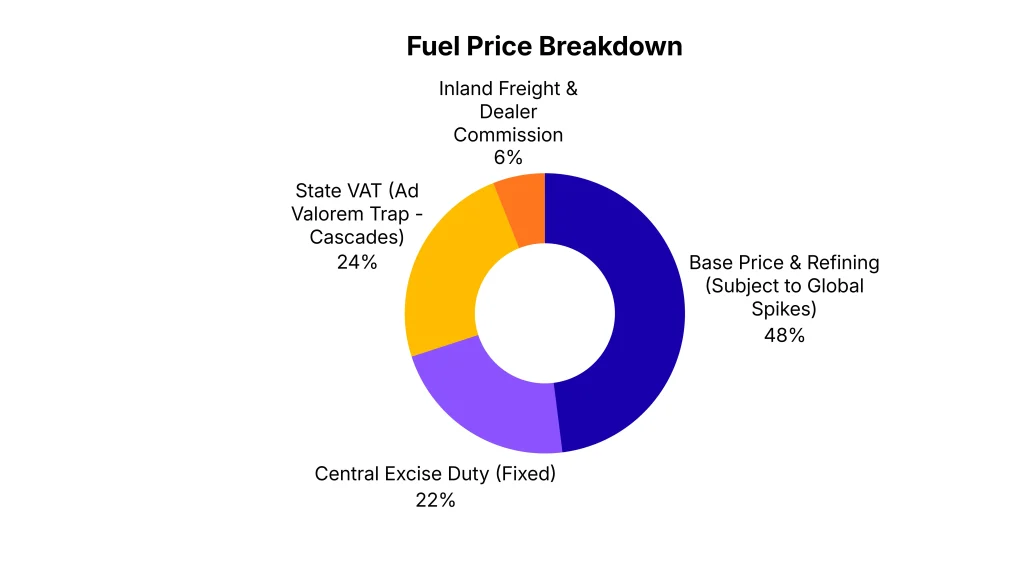
Figure 5. Ad Valorem trap and role of state VAT in Indian fuel pricing
What Comes Next?
The macroeconomic outlook for India in the near term faces significant headwinds due to this sustained energy shock.
- Staggered Price Pass-Through: OMCs cannot sustain a ₹2.2 lakh crore deficit. We will likely see measured, staggered price hikes of ₹1 to ₹2 per Liter over the coming months rather than one massive shock, combined with targeted relief for commercial transport to prevent a spike in food logistics costs.
- Growth Downgrade: Economic projections show India’s real GDP growth declining from a forecasted 7.7% down to 6.6% for the year, largely dragged down by the inflated import bill and forced redirection of government capital expenditure into fuel subsidies.
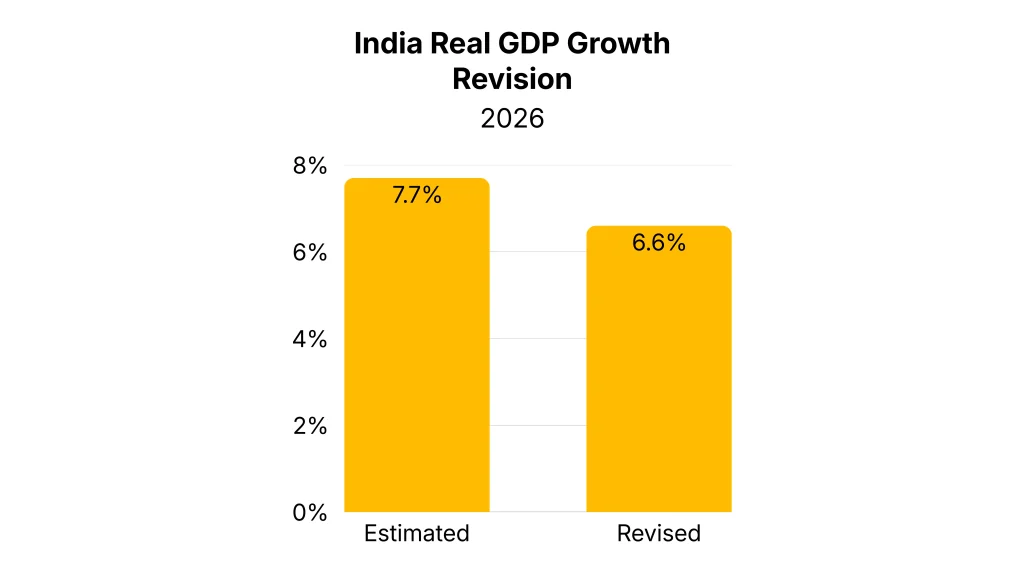
Figure 6. Real GDP Growth rate revision, India, MoSPI
- Inflationary Pressures: As diesel prices inch up, the cost of road freight will climb. Expect cascading inflation in daily essentials, groceries, and manufactured goods.
Global Comparisons and the Case for Reform
India’s fuel pricing model is highly punitive compared to other massive economies.
- The US Model (Fixed Taxation): In the United States, federal and state taxes on gasoline are fixed amounts per gallon (e.g. 18.4 cents federal). If crude prices double, the tax remains exactly 18.4 cents. The government does not profit from the crisis.
- The European Model (Pigouvian/Carbon Tax): While European nations tax fuel heavily, the taxes are explicitly linked to environmental externalities (carbon output). They use these funds to aggressively subsidize public transit and EV infrastructure.
The way forward
Changing taxation system for oil:
The most universally recommended reform by economists is to integrate petroleum products into the Goods and Services Tax (GST) network, a move the GST Council has historically delayed because states fear losing their most lucrative and independent revenue stream.
If petrol and diesel were brought under the maximum GST slab of 28% (even with an additional fixed ecological cess):
- It kills the cascade: It would eliminate the compounding effect of State VAT being charged on top of Central Excise.
- Input Tax Credit (ITC): Industries and logistics companies could claim ITC on the fuel they use, drastically reducing the cost of freight, which would directly cool down inflation across the entire economy.
- Price Stabilization: It would establish a uniform price across the country, removing the extreme price disparities seen between borders like Delhi, Maharashtra, and Karnataka.
Until structural tax reforms are implemented, India’s consumers and OMCs will remain entirely at the mercy of geopolitical crosshairs and maritime chokepoints.
Diversifying resources:
To insulate the Indian economy from the shockwaves of the ongoing Middle Eastern conflict, aggressive diversification is no longer just policy it is a survival imperative. The government’s most decisive countermeasure has been its recent landmark energy pact with the UAE.
Moving beyond traditional buyer seller dynamics, New Delhi and Abu Dhabi have inked a massive agreement to expand India’s Strategic Petroleum Reserves (SPR) to 30 million barrels. Crucially, this involves not just filling caverns on the Indian coast, but actively exploring offshore crude storage at the UAE’s Fujairah hub.
By anchoring our reserves directly within the Gulf’s energy infrastructure, India is creating a geopolitical shock absorber that guarantees an undisrupted flow of oil, effectively neutralizing the threat of maritime blockades.
Follow Price Watch™ on LinkedIn for real-time raw material insights, pricing trends, supply chain intelligence, and market updates shaping global commodity markets.