

Russia’s temporary export freeze of Ammonium Nitrate has materially shifted global chemical market sentiment and intensified bullish price momentum across international trading hubs. The move, driven by domestic supply security concerns, geopolitical friction, and soaring raw material cost pressures, marks a significant development for global industrial and agricultural trade flows in 2026.
Global Ammonium Nitrate Market Impact: Sourcing Alternatives Scrambled
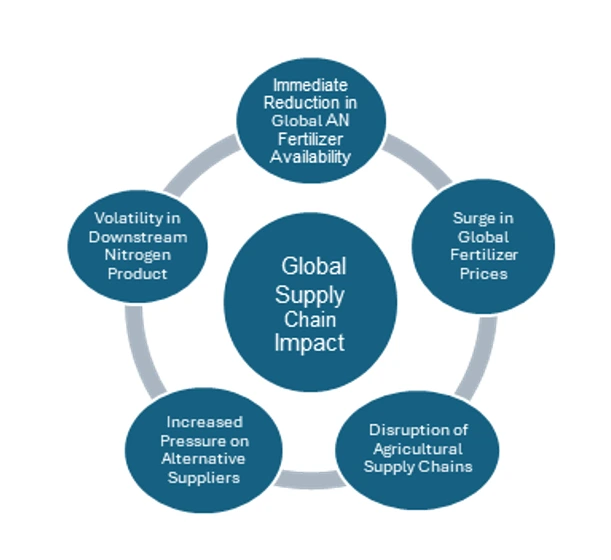
With Russia, which controls 40% of the global ammonium nitrate trade, suspending its exports from March 21, 2026 to April 21, 2026 to prioritize domestic spring planting, global supply chains have been pushed to a breaking point.
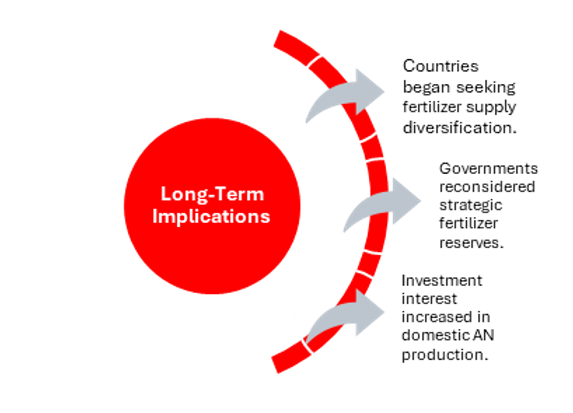
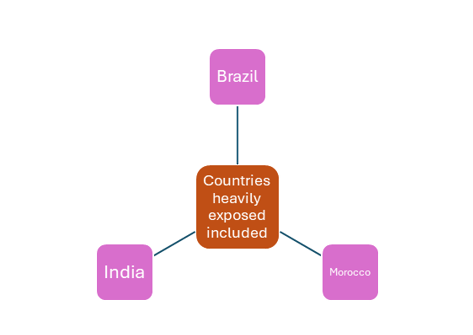
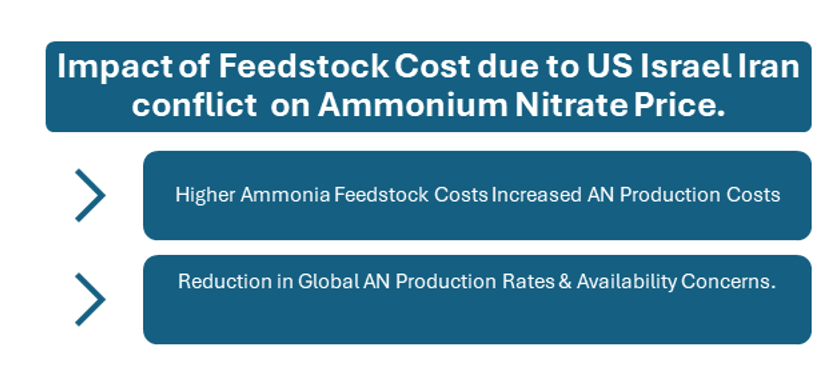
The global ammonium nitrate market is navigating a highly volatile year. Extreme supply-side shocks such as the closure of the Strait of Hormuz and Russia’s temporary export ban, sent nitrogen fertilizer prices higher.
Short-Term Plateau Amid Structural Tightness
However, recent Ammonium Nitrate price indicate that the market has hit a price wall, with weekly price gains reduced finally, as buyers resist peak pricing. This resistance points to a near-term pricing plateau as Brazil; Morocco enters a seasonally slower application period.
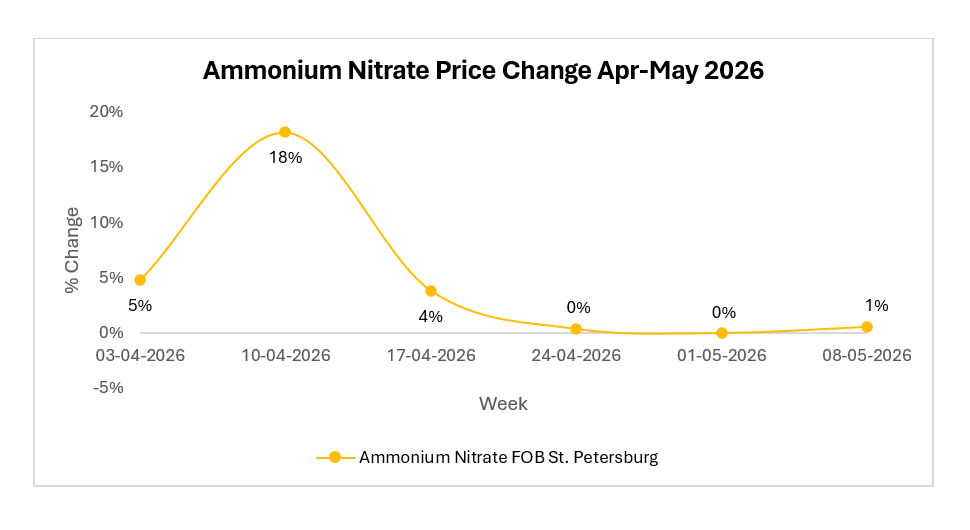
Source: Price-Watch™ Ammonium Nitrate Prices
Despite this temporary reprieve, the market is expected to remain structurally tight. Key global shipping routes remain highly contested, with trade flows projected to recover to only 50% of normal capacity.
Ammonium Nitrate Market Outlook
Russia is Brazil’s single largest fertilizer partner, accounting for approximately 30% of its total imported crop nutrient. But the implementation of Russia’s new 20 million metric ton (MMT) quota on June 1 (which includes 8.7 MMT of nitrogen and 4.2 MMT of ammonium nitrate) puts the Brazilian buyers in a very critical situation to secure fertilizer for the upcoming soyabean planting season.
These upcoming months will test the limits of agricultural demand and local policy relief in a highly fractured global landscape. It is also interesting to see How Will Brazil’s upcoming winter crop planting cycle cope if Russia resorts to sudden, unannounced export limits to protect its own agricultural reserves.
Follow Price-Watch™ on LinkedIn for real-time raw material insights, pricing trends, supply chain intelligence, and market updates shaping global commodity markets.